Massive wildfires are ravaging France and Spain, leading to the evacuation of over 300,000 residents. France is enduring its most severe fire season in two decades, while Madrid officials have labeled the current blazes as the worst in the region’s history. These disasters follow an intense summer of heatwaves where temperatures frequently surpassed 40C.
Near Madrid, three distinct fires have consumed approximately 297 square miles, an area exceeding the size of the city itself. In the Gironde region of France near Bordeaux, flames have scorched over 162 square miles in under four days, forcing more than 200,000 people to flee. These fires have moved dangerously close to sensitive industrial and military sites, including facilities handling chemical processing and rocket components.
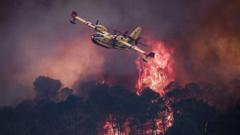
The intensity of these infernos has triggered rare fire thunderstorms, where extreme heat generates massive cumulonimbus clouds. These clouds can produce lightning, sparking secondary fires, and creating unpredictable weather patterns that complicate suppression efforts. To fight the flames, French authorities are deploying Canadair planes that scoop water from the sea, alongside ground teams totaling over 5,000 personnel, including firefighters, soldiers, and police. Despite these resources, local official Jean Luc Gleyze stated that current staffing and equipment levels remain insufficient.
Crews are also utilizing heavy machinery to create wide firebreaks by removing vegetation to deprive the fires of fuel. Spanish authorities are employing similar defensive strategies as they face their own record-breaking fire season. Experts link the severity of these events to climate change, which has created drier, hotter conditions that accelerate fire spread. With high-pressure systems expected to bring more heat, concerns remain high for the coming week.