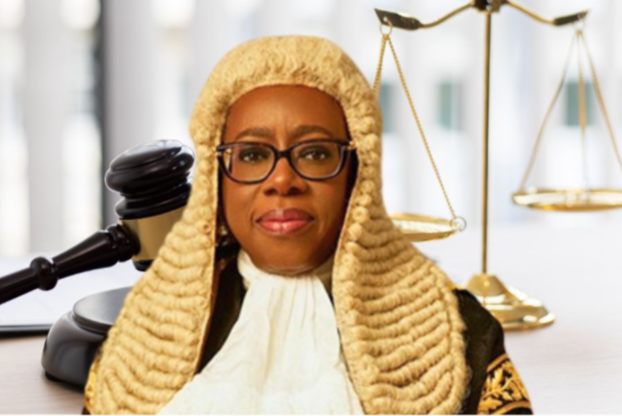
The Chief Justice of Nigeria, Justice Kudirat Kekere-Ekun, has issued a formal directive prohibiting the use of the title ‘Barrister’ as a prefix for lawyers in official communication. In a memo dated July 13, 2026, the Chief Justice stated that using the term as an honorific is unprofessional and misaligned with the standards of the Supreme Court. The mandate requires all court staff, registrars, and legal practitioners to cease using the prefix in records, documents, and identity materials.
This initiative follows concerns voiced by the Body of Benchers, led by Chairman HRM Albert Akpomuje, SAN. The Body of Benchers noted that the title has been frequently misused, particularly by non-practicing individuals and politicians seeking social status. They argued that professional credibility should be built through competence and diligence rather than titles. Historical context suggests the term originated from medieval English court architecture, where legal practitioners crossed a physical ‘Bar’ to represent clients. While Nigeria adopted this terminology during the colonial period, it modified the British system by merging the roles of barristers and solicitors.
Other African nations have previously moved to modernize their legal traditions. Kenya’s former Chief Justice, Willy Mutunga, removed wigs and robes in 2011, while Malawi suspended similar requirements in 2019 due to the heat and colonial impracticality. Burkina Faso has also moved toward using indigenous fabrics for courtroom attire. Despite the current directive in Nigeria, some legal experts have questioned the administrative authority to ban the title, pointing to a 2011 Court of Appeal ruling that suggested the prefix does not undermine a lawyer’s legal identity.