The path to Nigeria’s 2027 general elections is increasingly being determined by judicial rulings rather than just electoral campaigns. A recent Federal High Court decision in Lokoja has created significant uncertainty for the Nigeria Democratic Congress (NDC). By overturning a previous mandate for the Independent National Electoral Commission to register the party—citing concerns regarding the Peace Movement Party’s right to a fair hearing—the court has placed the NDC in a precarious legal position.
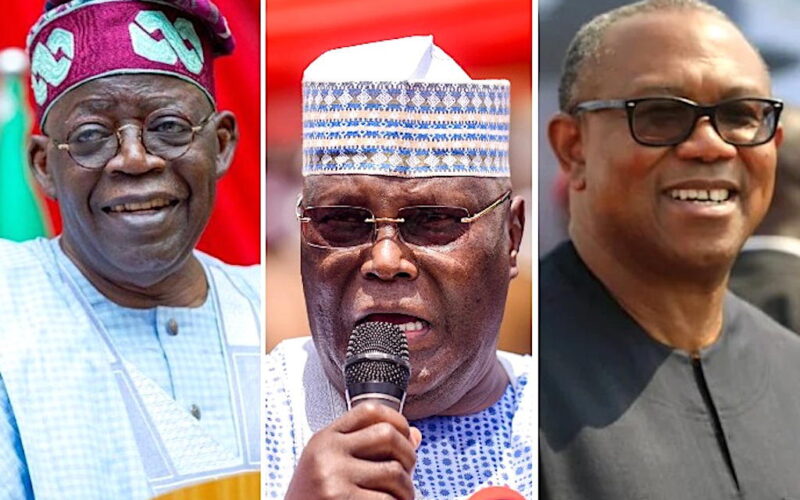
This development impacts major political figures like Peter Obi and Rabiu Kwankwaso, who viewed the NDC as their primary vehicle for the upcoming presidential contest. Should the party fail to secure its registration through the appeals process, these candidates may find themselves without a valid platform, an outcome made more critical by INEC’s restrictive timelines. Similarly, the African Democratic Congress (ADC) is currently mired in internal leadership disputes and legal challenges concerning its potential deregistration. This instability affects high-profile figures such as Atiku Abubakar and Rotimi Amaechi, who are currently associated with the faction led by David Mark.
These crises highlight a fundamental vulnerability within the Nigerian opposition. While significant energy has been directed toward coalition building, the legal foundations of these platforms remain fragile. Conversely, the ruling All Progressives Congress (APC) maintains a more stable institutional position, avoiding the registration disputes plaguing its rivals. Although judicial oversight is essential for maintaining democratic standards and due process, the current situation leaves the opposition struggling to secure the organizational stability needed for a united front. As the 2027 cycle approaches, the courtroom has become as vital a battleground as the ballot box.