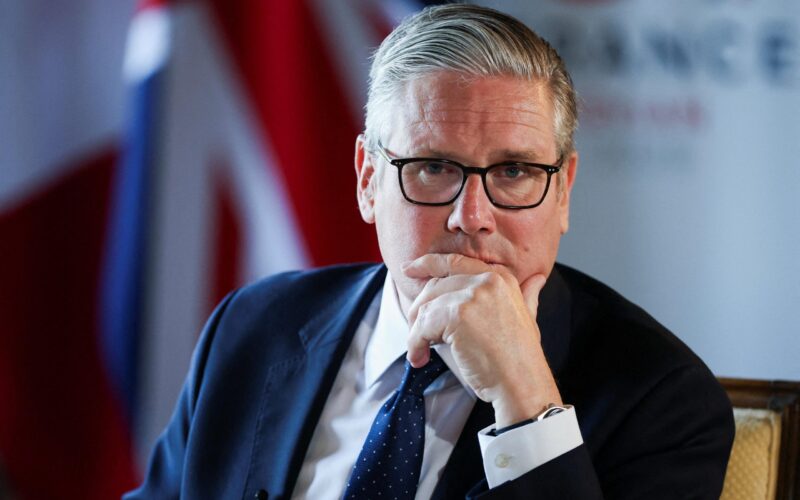
Keir Starmer concluded his two-year term as British Prime Minister on Monday, exiting Downing Street with a final speech asserting that the United Kingdom is currently a more equitable and robust nation. Standing alongside his wife, Victoria, Starmer addressed the public before travelling to Buckingham Palace to deliver his formal resignation to King Charles III.
Reflecting on his period in power, Starmer highlighted his administration’s accomplishments and expressed a positive outlook regarding his departure. His resignation follows a tumultuous period marked by declining popularity, policy reversals, and significant political friction, which prompted his announcement in late June. Starmer originally assumed office in July 2024, ending over a decade of Conservative leadership.
Andy Burnham, the former Mayor of Greater Manchester, has officially succeeded Starmer after receiving an invitation from the King to establish a new government. Burnham inherits a complex national landscape defined by stagnant economic growth, high borrowing expenses, and ongoing immigration difficulties.
The new Prime Minister has vowed to focus on public trust, regional empowerment, and addressing the ongoing cost-of-living crisis. Early signals of his policy direction include the immediate cancellation of Starmer’s digital identification project. Burnham intends to shift towards a proactive economic framework that prioritizes early investment to mitigate long-term societal and financial challenges.