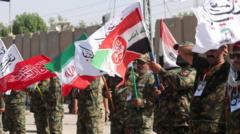
Tensions in the Middle East reached a new peak on Tuesday as Iran launched a series of strikes across the region, just two weeks after active combat with the United States resumed. Authorities in Bahrain activated emergency sirens, while Jordanian military forces successfully intercepted multiple waves of Iranian missiles and drones. The Iranian Revolutionary Guard Corps claimed responsibility for targeting a facility in Rukban, alleging it housed American military personnel.
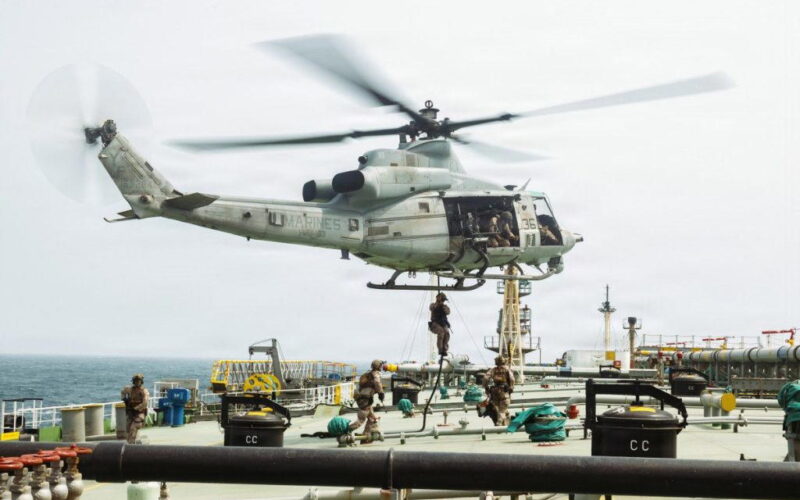
Simultaneously, the Yemen-based Houthi rebels have threatened to blockade Saudi Arabian ports, potentially destabilizing global energy markets further. This announcement follows Iran’s own ongoing blockade of the Strait of Hormuz, which has already resulted in the detention of two oil tankers by the Revolutionary Guard. These maneuvers represent a significant intensification of hostilities, with Tehran citing these actions as retribution for the US-Israeli strikes that initiated the current phase of the war in February.
The Pentagon confirmed that nearly 100 American service members have sustained injuries, primarily concussions, since the fighting reignited on July 7. President Donald Trump has issued a stern warning, stating Iran will face severe consequences for the deaths of American troops. Meanwhile, Iranian President Masoud Pezeshkian characterized the escalating situation as a full-scale war. As the conflict spreads, global oil markets remain volatile, closely monitoring the threat to critical shipping lanes and the stability of regional energy exports.