A recent Vanguard report highlights a growing trend where major government bodies like the Central Bank of Nigeria (CBN) and the Niger Delta Development Commission (NDDC) ignore legislative summons. This blatant disregard for the Senate is a symptom of a deeper crisis where public officials operate with impunity.
The root of this issue lies in the refusal of top leadership to enforce accountability. Presidents and Governors rarely demand that subordinates address audit queries, effectively shielding Ministries, Departments, and Agencies (MDAs) from scrutiny. This culture of silence has turned government institutions into conduits for massive financial leakage.
The Nigeria Extractive Industries Transparency Initiative (NEITI), established in 2004 to monitor revenue from natural resources, has largely failed to curb these abuses. Originally envisioned as a powerful watchdog, it became a toothless entity, ignored by both the executive branch and the legislature. Under successive administrations—from Yar’Adua to Buhari and now Tinubu—reports detailing the loss of trillions of naira and millions of barrels of crude oil have gone unaddressed.
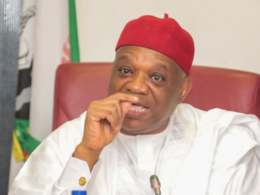
The situation reached a new low when NEITI itself, alongside agencies like the CBN and the Nigerian Upstream Petroleum Regulatory Commission (NUPRC), skipped a recent Senate committee hearing. While some lawmakers, such as Senator Patrick Ndubueze, expressed frustration at this lack of respect, the committee ultimately opted to offer these agencies another chance, signaling that real consequences remain unlikely.
Ultimately, the persistence of systemic corruption in Nigeria stems from a lack of political will to demand transparency. As long as leaders tolerate the flouting of audit procedures, the nation remains vulnerable to those who prioritize private gain over public service.