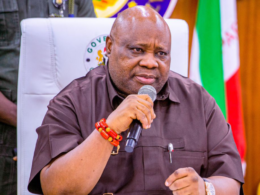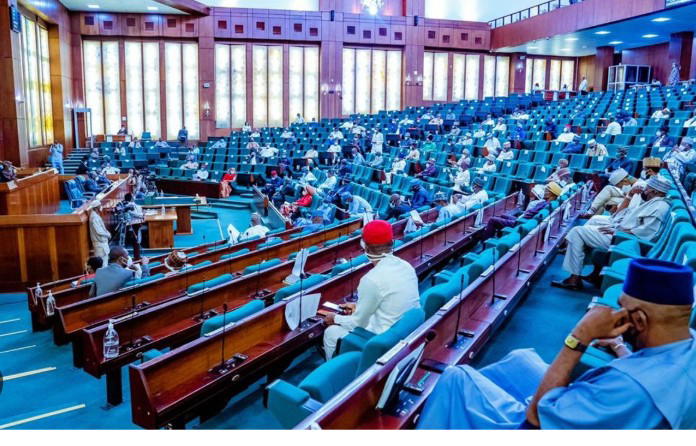
On Wednesday, the Nigerian House of Representatives deferred a bill intended to outlaw the manufacture, import, and sale of cooking oils that are unfortified and lack brand identification. Lawmakers disagreed on the potential impact of the legislation, which was introduced by Representative Chike Okafor of the Ehime/Mbano/Ihitte Uboma/Obowo constituency.
Okafor argued that the measure is necessary to mitigate health risks, noting that approximately 67 percent of Nigerians use unbranded oils while only 31 percent of products on the market are fortified. Drawing on World Health Organisation data, he stated that fortification is a vital approach to combating nutrient deficiencies. The bill proposed penalties for non-compliance while allowing for a transition phase and promoting public-private partnerships to improve processing.
Opposition to the bill centered on concerns about its effect on small-scale rural producers and potential regulatory overlap. Representative Paschal Agbodike expressed worries regarding the economic impact on local palm oil farmers, while Representative Gaza Gbefwi and Representative Wale Raji suggested that NAFDAC already possesses the authority to regulate food quality, arguing that strengthening existing agencies is preferable to introducing new laws. Conversely, Representative Sada Soli contended that the bill would enhance rather than contradict current frameworks.
Due to the lack of distributed copies for review, Representative Billy Osawaru voiced concerns that members were unable to provide informed input. Consequently, Deputy Speaker Benjamin Kalu accepted a request from Okafor to postpone the debate, allowing time for wider circulation and further consultation with stakeholders.