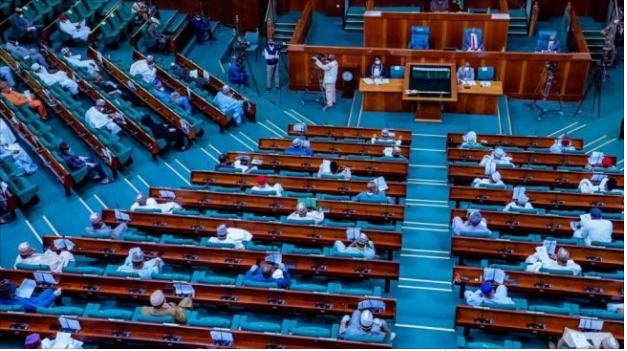




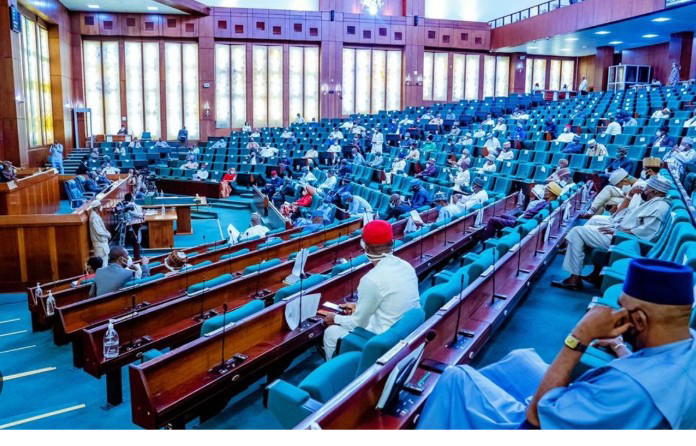
The House of Representatives Committee on Finance has mandated the Nigeria Customs Service (NCS) to provide a thorough report on the ₦34 trillion in import duty waivers issued during 2025. This request requires details regarding the identity of beneficiaries, the specific approval process, and the intended economic goals of these concessions. During a revenue oversight session, Committee Chairman Hon. James Abiodun Faleke clarified that while the House supports waivers meant to stimulate sectors like agriculture and healthcare, they demand full transparency to ensure these incentives actually benefit the national economy.
Lawmakers also expressed frustration over inconsistent financial reporting within the agency. Although the Customs Service has consistently surpassed annual revenue goals—generating ₦6.1 trillion against a ₦5 trillion target in 2024 and ₦7.2 trillion against a ₦6 trillion goal in 2025—the committee noted significant, unexplained fluctuations in monthly declarations. Consequently, the agency has been ordered to submit a detailed, month-by-month reconciliation of its revenue figures. Deputy Chairman Hon. Saidu Mohammed Abdullahi suggested that the government should raise future revenue targets, arguing that the agency has proven it can exceed current expectations.
Kikelomo Adeola, representing the Comptroller-General of Customs, explained that the Ministry of Finance, not the Customs Service, holds the authority to approve waivers. She further advocated for state-level investment in inland dry ports to relieve congestion at primary seaports and improve the speed of trade. Additionally, the committee turned its attention to the Corporate Affairs Commission (CAC), tasking it to provide a complete ledger of registered businesses and their associated fees. The CAC also faces scrutiny for failing to submit audited financial reports since 2019, leaving an unremitted operating surplus debt of ₦13.9 billion, which the agency has now committed to paying off through ₦500 million quarterly installments.