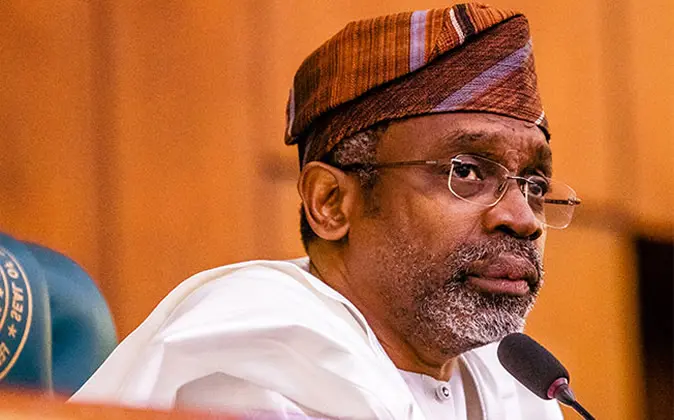
Femi Gbajabiamila, Chief of Staff to President Bola Tinubu, stated that the administration inherited an economy on the verge of collapse. Speaking at the Working People United Good Governance summit in Abuja, he explained that the President opted for difficult reforms over political convenience to prevent total economic failure.
Gbajabiamila noted that removing the fuel subsidy was a necessary, albeit painful, decision. He argued that the previous subsidy regime benefited only a small group of people while draining national reserves through an unsustainable foreign exchange policy. According to him, President Tinubu chose to govern as a statesman focused on the next generation rather than as a politician concerned only with upcoming elections.
Acknowledging the resulting rise in living costs, Gbajabiamila stated that the government does not ignore the public’s suffering. He described the current reforms as painful medicine required to nurse the nation back to health. Minister of Labour and Employment, Mohammad Dingyadi, echoed these sentiments, emphasizing that the administration is committed to building a resilient economy despite the inevitable challenges that accompany such significant transformations.
William Akporeha, national coordinator of Working People United, agreed that while the reforms have placed heavy burdens on workers, traders, and small business owners, failing to implement them would have posed a greater risk to the country’s survival.