




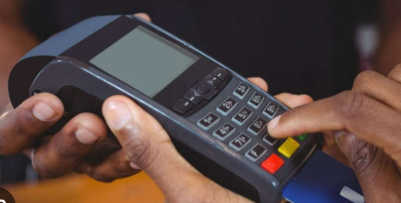
A fresh analysis indicates that digital payment systems are revolutionizing the Nigerian food service sector. By resolving historical operational hurdles, these tools are propelling the industry toward a projected valuation of $11.09 billion by 2025. Research from Moniepoint suggests the market could hit $19.31 billion by 2030, marking an 11.73 percent annual growth rate fueled by food delivery apps, cloud kitchens, and increased digital financial uptake.
The sector has evolved significantly over the last forty years, transitioning from traditional establishments like Mr Bigg’s to modern, tech-focused quick-service restaurant chains. Food and beverage firms now rank as the second-largest merchant group on Moniepoint’s platform. CEO Tosin Eniolorunda emphasized that financial inclusion must prioritize operational efficiency, noting that payment infrastructure now integrates vital functions like inventory management, procurement, and credit access.
Historically, reliance on cash left Nigerian food operators vulnerable to theft and accounting inaccuracies. Although early bank transfers helped, they often caused transaction delays during busy periods. Fragmented systems further complicated matters by causing stock losses and revenue gaps. Additionally, the International Finance Corporation estimates Nigeria’s MSME credit gap was $32.2 billion in 2022, a major obstacle for women, who account for nearly 87 percent of ownership in the sector.
To mitigate these issues, Moniepoint implemented instant payment settlements, automated confirmations, and lending models based on transaction history rather than collateral. These features, combined with national cashless initiatives, sparked a 2,823 percent surge in terminal usage at quick-service restaurants. Data indicates peak transaction times occur during lunch hours and early evenings, with a notable uptick in card usage toward the end of the year.