Africa’s technology sector is growing, evidenced by the rise of domestic brands aiming to sell mobile devices across the region. While international giants like Apple and Samsung lead the market, several African companies are striving to establish local assembly and production capabilities. It is vital to note that being an African brand does not always mean the products are built entirely within the continent; many firms rely on imported parts and external manufacturing.
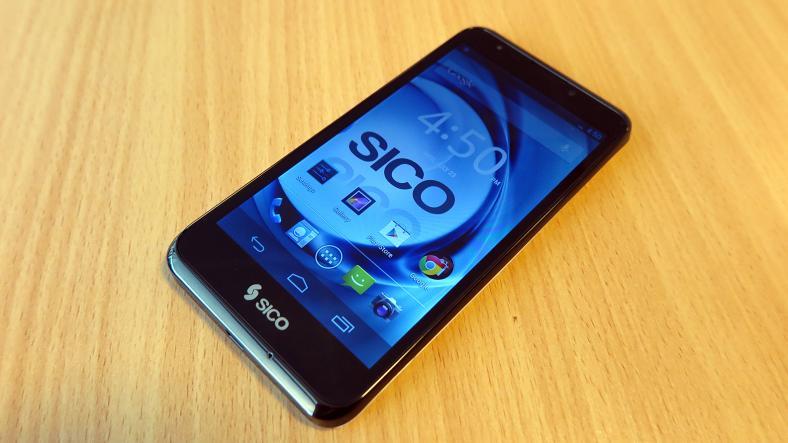
Afrione, based in Nigeria, launched in 2016 and set up a facility in Lagos to assemble tablets and smartphones. Similarly, Rwanda and South Africa hosted Mara Phones, a venture designed to integrate Africa into the global tech supply chain. Egypt’s SICO Technology gained recognition for its Nile X smartphone, benefiting from Egypt’s broader strategy to become a regional manufacturing hub.
Algeria’s Condor continues to offer various electronics and mobile series, while South Africa’s Mobicel focuses on the budget-friendly segment of the market. Other brands, such as Mauritius-based Mi-Fone and the Republic of Congo’s VMK, maintain African identities but often utilize overseas factories for production. In Ghana, RLG Communications previously focused on local assembly, though its current output remains unconfirmed.
Understanding these operations requires clarity regarding the term ‘Made in Africa.’ Modern devices require specialized components like processors and displays that are rarely produced locally. Therefore, a device might be designed by an African company and assembled on the continent, even if its internal hardware components originate from elsewhere.