Women are increasingly represented in the highest levels of governance across Africa, Europe, Asia, the Americas, and the Pacific. While women remain underrepresented in national leadership on a global scale, sixteen nations currently have women serving as presidents as of 2026.
Bulgaria saw Iliana Iotova ascend to the presidency in January 2026, transitioning from her role as vice president. In Costa Rica, Laura Fernández Delgado assumed office in May 2026, continuing the nation’s trend of female leadership. Sylvanie Burton, who became Dominica’s first female and first Indigenous president in October 2023, holds a largely ceremonial position.
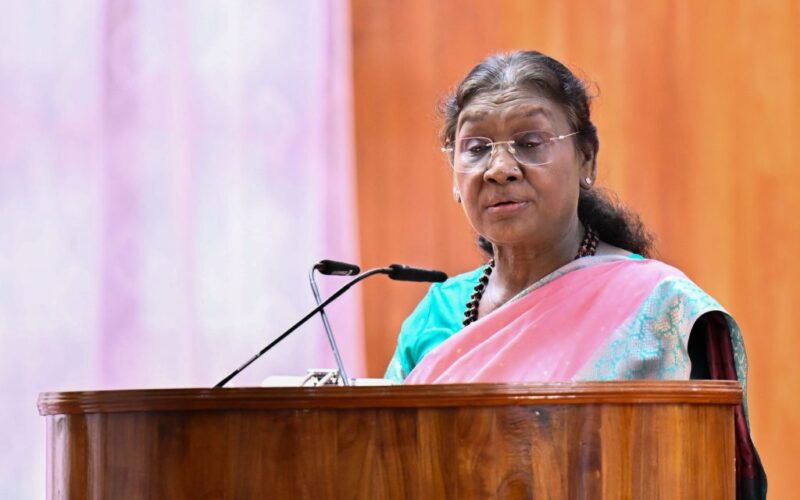
Halla Tómasdóttir was elected president of Iceland in August 2024, becoming the nation’s second woman to hold the office. India’s Droupadi Murmu, the first person from a tribal community to serve as president, took office in July 2022. Catherine Connolly became the 11th president of Ireland in November 2025, while Myriam Spiteri Debono has served as Malta’s 11th president since April 2024.
Hilda Heine made a return to the presidency of the Marshall Islands in January 2024, having previously led the nation from 2016 to 2020. Mexico achieved a historic milestone in October 2024 when Claudia Sheinbaum became the first woman to lead the country. Moldova continues to be led by Maia Sandu, who has served since December 2020.
Namibia inaugurated Netumbo Nandi-Ndaitwah as its first female president in March 2025. In North Macedonia, Gordana Siljanovska-Davkova, a law professor, became the country’s first female president in May 2024. Nataša Pirc Musar has served as Slovenia’s first female president since December 2022. Suriname elected Jennifer Geerlings-Simons as its inaugural female president in July 2025. Tanzania’s Samia Suluhu Hassan has held the presidency since March 2021, and Christine Kangaloo has served as the president of Trinidad and Tobago since March 2023.