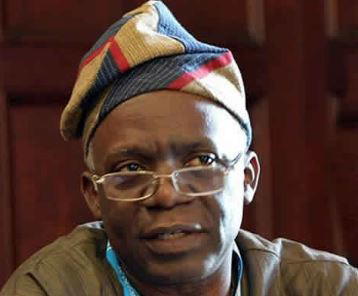
On June 12, 1994, M.K.O. Abiola proclaimed himself president following his victory in the 1993 democratic elections. General Sani Abacha’s military government subsequently arrested him on treason charges. During his four-year imprisonment, Abiola faced severe mental strain and was intentionally deprived of medical care, despite reports from figures like Archbishop Desmond Tutu confirming his deteriorating health.
Following Abacha’s death in 1998, General Abdulsalami Abubakar assumed leadership. While he released other political prisoners, he kept Abiola detained, demanding he renounce his presidential mandate. On July 7, 1998, during a meeting with an American delegation, Abiola collapsed and died. Although later claims suggested death by natural causes, the Oputa Panel—established to investigate human rights abuses—found the circumstances highly suspicious, particularly noting that Abubakar refused to testify.
Testimony provided to the Oputa Panel highlighted significant irregularities during the American delegation’s visit. Security protocols, which required visitors to taste any food or drink served to a detainee to ensure safety, were bypassed. Major A.S. Aliyu, the head of security, admitted that Susan Rice served tea to Abiola without tasting it, a direct violation of established procedure. Furthermore, the regular guard, ACP Zadok, was specifically removed from his post during this visit.
While Abubakar maintains in his autobiography that Abiola’s death resulted from pre-existing heart conditions, critics point to the lack of transparent investigation. The Oputa Panel concluded that the government possessed more information than it disclosed and that Abiola’s death was a direct consequence of his prolonged, inhumane incarceration and medical neglect. Consequently, calls persist for a reopened investigation to finally clarify the circumstances surrounding his death.