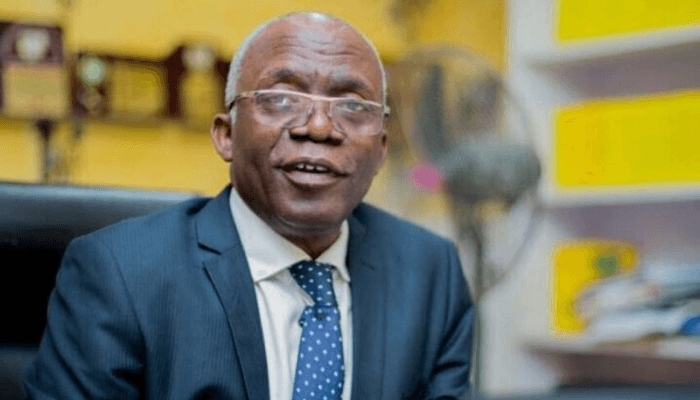
Human rights attorney Femi Falana, SAN, has formally requested that the Nigerian Federal Government initiate a fresh inquiry into the 1998 death of Chief Moshood Kashimawo Olawale (M.K.O.) Abiola. Falana, who served as counsel for the Abiola family during the Oputa Panel, asserts that lingering questions from the original proceedings necessitate a new examination.
Chief Abiola, widely considered the winner of the 1993 presidential election, was detained for treason by General Sani Abacha’s military regime. Despite his deteriorating health—noted by figures such as Archbishop Desmond Tutu—Abiola remained in custody for four years. Following the death of General Abacha in June 1998, General Abdulsalami Abubakar assumed power, yet Abiola remained a prisoner until his death on July 7, 1998, shortly after a meeting with an American delegation.
The Oputa Panel, tasked with reviewing human rights abuses, previously heard testimony regarding suspicious security lapses during that final meeting. Falana highlighted that ACP Zadok, Abiola’s long-time security officer, was removed from his post on the day of the delegation’s visit. Additionally, evidence indicated that American official Susan Rice served tea to Abiola without the customary security tasting protocol. While General Abubakar has rejected allegations of poisoning in his recent autobiography, referencing an autopsy that pointed to natural causes, Falana maintains that the medical evidence and the denial of care—as documented in the memoir of former UN Secretary-General Kofi Annan—warrant a transparent, state-led investigation.
The Oputa Panel previously concluded that the government possessed more knowledge regarding the event than it admitted, ultimately linking the death to Abiola’s prolonged incarceration and the denial of medical treatment. Falana insists that reopening the case is essential to resolve public uncertainty and provide a definitive historical account.