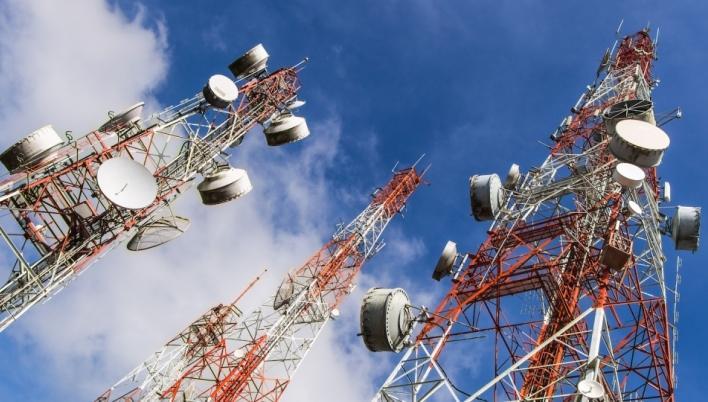
Telecommunications companies in Nigeria are calling for increased government backing and policy stability to protect essential infrastructure. As the primary drivers of the country’s digital landscape for over twenty years, these providers have enabled essential services ranging from banking to healthcare. During the 2026 NITRA Innovative and Scientific Conference in Lagos, Engr. Gbenga Adebayo, head of the Association of Licensed Telecommunications Operators of Nigeria, highlighted the sector’s evolution from fewer than 500,000 lines in 2001 to over 200 million active subscribers today.
Adebayo emphasized that the industry now serves as the foundation for the nation’s digital economy. Despite massive investments in 5G, fiber optics, and data centers, firms face significant obstacles. These include infrastructure vandalism, high energy costs, multiple taxation, and insecure operating environments. Adebayo argued that improving service quality requires addressing these operational realities rather than relying solely on government-imposed fines.
The industry leader praised President Bola Ahmed Tinubu and the Nigerian Communications Commission, led by Dr. Aminu Maida, for their collaborative approach and efforts to protect critical national infrastructure. Additionally, Adebayo clarified that there are no current plans to increase retail tariffs linked to the ongoing Mobile Termination Rate study. NITRA President Chike Onwuegbuchi concluded that fostering a competitive digital economy will rely on sustained cooperation between the government, regulators, and the private sector.