




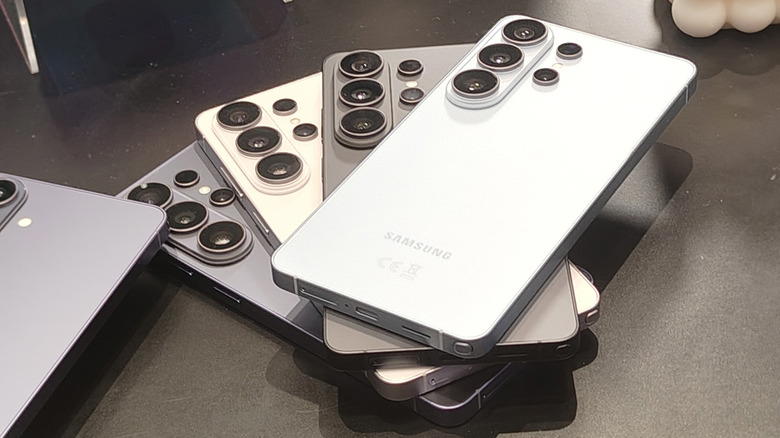
While Apple maintains a strong position in the market with the iPhone 17’s video and point-and-shoot capabilities, Android manufacturers have significantly advanced their camera technology. Several devices now offer larger sensors, sophisticated artificial intelligence, and superior zoom hardware to challenge Apple.
The Samsung Galaxy S26 Ultra remains a top contender, utilizing a 200MP main lens and advanced processing to excel in various lighting scenarios. Meanwhile, the Google Pixel 10 stands out for its computational photography, offering exceptional dynamic range and zoom performance. For those prioritizing artistic quality, the Xiaomi 15 Ultra incorporates Leica-engineered hardware for sharp details and low-light excellence.
The Vivo X300 Pro features a ZEISS-developed system that rivals the iPhone in portrait clarity and video stabilization. Similarly, the OPPO Find X8 Pro utilizes Hasselblad tuning for natural color reproduction, while the Honor Magic7 Pro provides vibrant, high-resolution imagery. Users seeking consistency can look to the OnePlus 13, which offers reliable daylight and portrait results through its Hasselblad partnership.
For photography enthusiasts desiring manual control, the Sony Xperia 1 VI offers a unique approach by mimicking DSLR functionality, allowing users to adjust shutter speed, ISO, and focus without heavy reliance on automated software.