



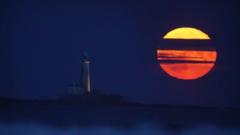
The annual July full moon, traditionally referred to as the Buck Moon, is preparing to illuminate the UK sky this week. Reaching its peak illumination at 15:36 BST on July 29, the moon will technically be below the horizon at that specific moment for those in the UK. Nevertheless, observers will still enjoy a full appearance during the nights of Tuesday and Wednesday.
The moniker Buck Moon originates from the seasonal growth of new antlers on male deer. Depending on the region and cultural tradition, the moon is also known as the Thunder Moon, due to frequent summer storms, or the Hay Moon, in reference to July harvesting activities. Historically, such names helped communities monitor seasonal transitions.
Weather conditions appear promising for viewing. Central, southern, and eastern UK regions expect clear skies on the night of July 29. While northern and western areas might encounter variable cloud cover, significant rain is not anticipated. England should experience settled, mild weather, while Scotland, Wales, and Northern Ireland will see mixed conditions with occasional showers.
The Buck Moon is not the only event for space enthusiasts. The Perseid meteor shower is currently active, with a peak occurring between the night of August 12 and the early morning of August 13. Furthermore, a partial solar eclipse will be visible in the UK on August 12, followed by a partial lunar eclipse on August 28.