Delta State is currently facing criticism over the Oborevwori administration’s focus on projects that observers view as misaligned with the state’s urgent needs. A primary point of contention is the decision to build 25 police divisional headquarters across the state’s local government areas. While the official price tag remains undisclosed, estimates suggest costs could reach between N37.5 billion and N50 billion, a move some argue falls outside the state’s traditional mandate.
Critics contrast this massive expenditure with the neglected state of primary education. Roughly 200 schools across areas like Bomadi and Udu suffer from a lack of basic facilities. Analysts suggest that investing in industrialization—such as cassava-processing plants and agricultural mechanization centers—would do far more to create jobs and ensure food security than the current focus on construction.
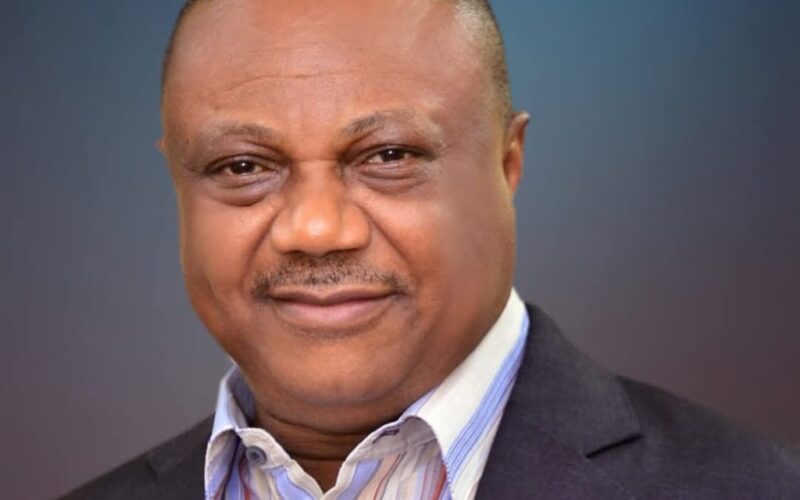
Amidst this climate, Chief Ovedje Great Ogboru is positioning himself for the 2027 electoral race. His supporters argue that he is prepared to recover a mandate they claim was previously denied to him. His proposed platform centers on the revival of manufacturing and industrial clusters, aiming to restore the state’s former industrial strength in steel, glass, and textiles.
Ogboru’s camp advocates for a pivot toward human capital development, suggesting that the funds earmarked for police infrastructure could instead renovate 500 schools and retrain 10,000 teachers. By integrating vocational skills like coding and welding into the curriculum, they believe the state can foster sustainable growth. As the election approaches, voters are being encouraged to secure their voter cards and prioritize long-term development over immediate financial incentives offered during political campaigns.