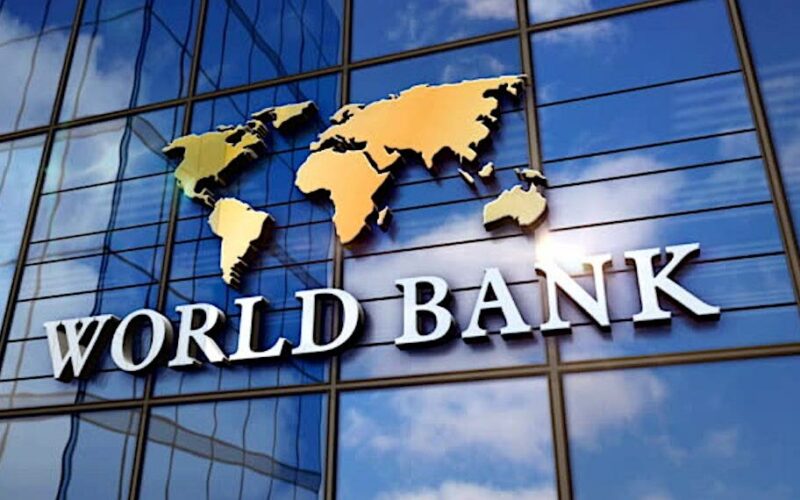
A recent World Bank analysis indicates that roughly 79 percent of the Nigerian population continues to live in poverty or faces the threat of slipping into it, despite the implementation of extensive economic policy changes by President Bola Tinubu’s government over the past three years.
These findings appear in the newly ratified Country Partnership Framework for 2026-2032 and the Streamlined Country Diagnostic. The documentation highlights that 61 percent of citizens are situated below the poverty threshold, while 33 percent exist in a state of extreme poverty, lacking the means to secure basic nutritional requirements.
The financial institution acknowledges that President Tinubu’s initiatives have succeeded in steadying the national economy and enhancing macroeconomic metrics. For instance, economic growth climbed from 3.5 percent in early 2024 to 3.9 percent by the same time in 2025. Additionally, foreign reserves have climbed past $42 billion, fiscal deficits have decreased, and market optimism has grown.
Despite these macro-level successes, the report notes that the benefits have not reached the average citizen to improve their daily living conditions. While the reforms have established a foundation for the Renewed Hope Agenda, the country continues to grapple with persistent structural difficulties.