When Italy failed to qualify for the 2026 World Cup, former coach Gennaro Gattuso criticized the increased number of spots allocated to African teams. Despite his skepticism, the performance of the 10 African representatives in the expanded 48-nation tournament proved their merit. With the exception of Tunisia, every African team advanced to the knockout stages, marking a 90 percent success rate that outpaced all other FIFA confederations.
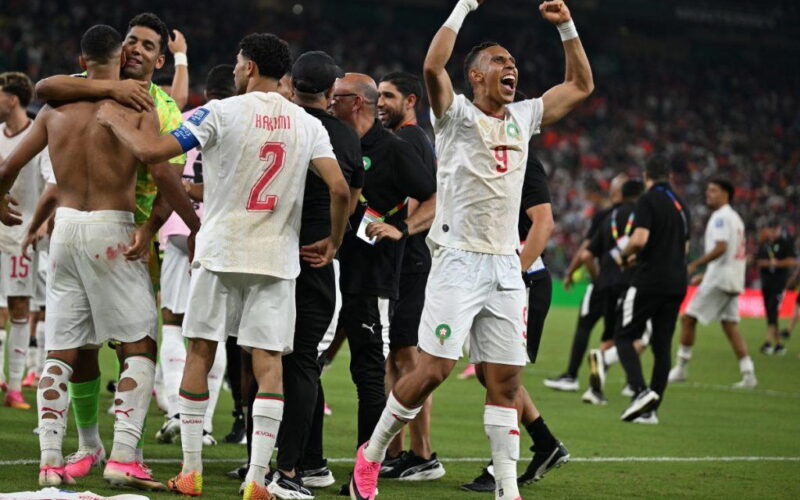
While African squads demonstrated high levels of competition, they often struggled with late-game defensive lapses. Notable players like Lionel Messi, Harry Kane, and Erling Haaland capitalized on these defensive lapses, turning the tide against African opponents. Despite these difficulties, Morocco achieved a historic milestone as the first African nation to reach the quarter-finals twice, while Cape Verde garnered massive global attention for their resilience against top-tier teams like Spain and Argentina, proving that smaller nations could hold their own on the world stage.
Expert analysts such as Thierry Henry and Zlatan Ibrahimovic pointed to poor game management and a lack of concentration as primary issues for African sides. Even with these setbacks, the overall results demonstrate a narrowing gap between African football and the global elite. Morocco, now looking ahead to hosting duties for the 2030 tournament, continues to lead the continent’s progression in the sport.