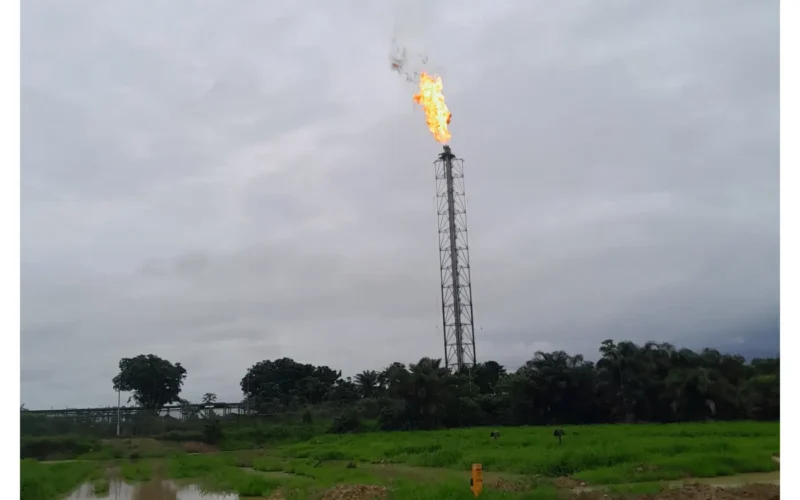
Annett Günther, the German Ambassador to Nigeria, revealed that Nigeria wasted 5.3 billion cubic metres of gas through flaring in 2024. This resulted in an estimated financial loss of $1.5 billion, placing Nigeria seventh globally for the highest volume of gas flared. The Ambassador shared these figures during the 25th Nigeria Oil and Gas Energy Week in Abuja.
To address this waste, Germany has introduced a program designed to turn flared gas into a functional economic resource. This initiative aims to supply energy to homes and industries while supporting hydrogen production projects. The effort aligns with a 2025 bilateral agreement focused on energy transition and climate cooperation.
The German-Nigerian energy partnership dates back to 2008. Over the years, it has fostered initiatives like the Nigerian Energy Support Programme and the creation of a hydrogen office. The latest collaborative efforts prioritize low-carbon energy, professional training, and private sector engagement. Both nations are committed to long-term carbon neutrality, with Germany aiming for 2045 and Nigeria for 2060. These measures seek to reduce environmental damage while boosting power availability and industrial growth within the country.