



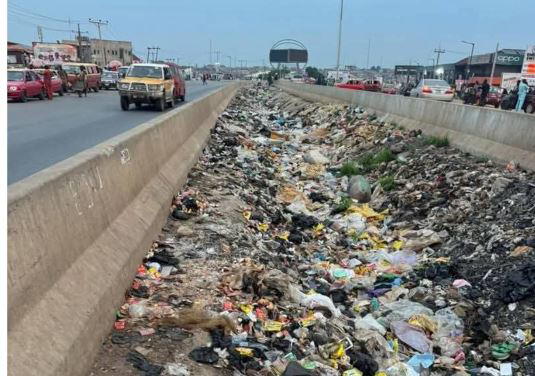
Major roads and residential areas across Ondo, Oyo, Ekiti, and Ogun states are facing a growing sanitation crisis characterized by overflowing refuse dumps and persistent open defecation. In Ondo State, particularly in Akure, residents struggle with blocked drainage and foul odors as mountains of trash accumulate in neighborhoods like Arakale and Ijoka. Despite monthly sanitation exercises, infrastructure gaps and reliance on informal disposal methods remain significant hurdles.
Ekiti State manages three major dump sites in Ilokun, Shasha, and Iyin-Ekiti. While authorities maintain that these facilities are managed to safeguard public health, residents living nearby report persistent health issues and unbearable smells. In Oyo State, the rapid population growth of Ibadan has outpaced waste collection capabilities, leading to widespread illegal dumping that exacerbates flooding risks during the rainy season. The government has responded by engaging private collectors and rehabilitating landfill facilities, yet illegal dumping persists.
Ogun State faces its own set of challenges regarding open defecation and waste management. Efforts like the ‘One House, One Toilet’ campaign and the construction of hundreds of public toilets aim to curb the practice. Meanwhile, the Ogun State Waste Management Authority has intensified enforcement, arresting numerous individuals for illegal dumping along highways. State officials across these regions emphasize that long-term success requires a combination of robust legislation, private sector partnership, and active participation from citizens in using authorized waste disposal services.