1,300-Year-Old Eucharistic Bread Loaves Unearthed in Southern Turkey

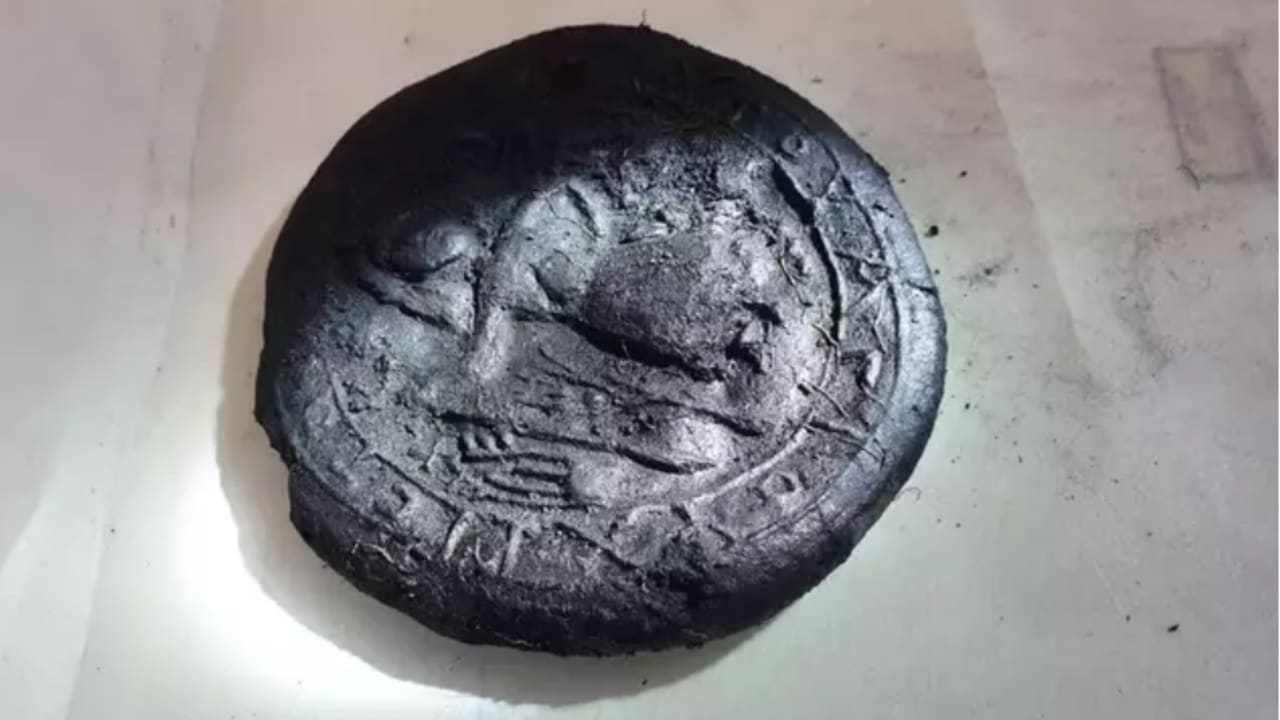
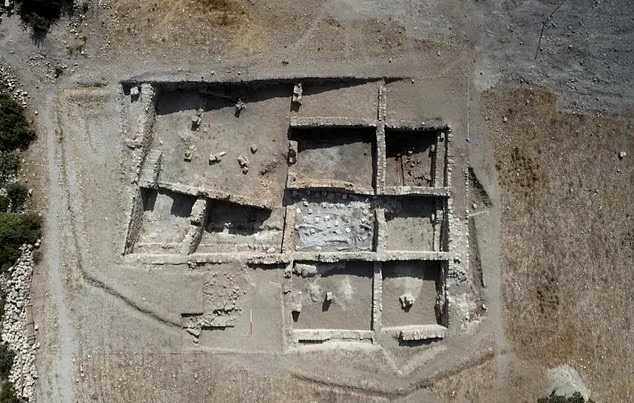
Archaeologists excavating Topraktepe, a mound in southern Turkey associated with the early Byzantine city of Irenopolis, have uncovered five remarkably preserved carbonized bread loaves dating back to the seventh or eighth century CE.

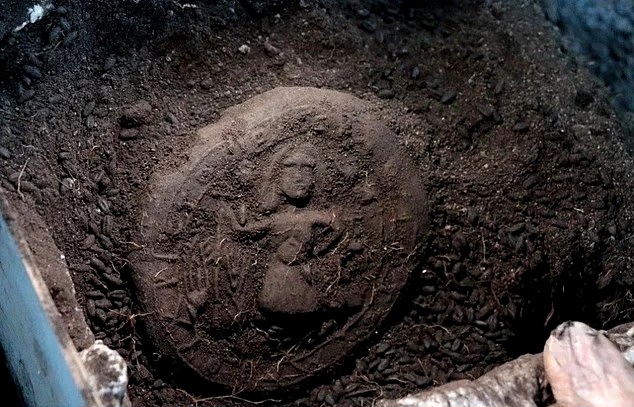
One loaf bears an image of Christ depicted as a sower scattering grain, along with an ancient Greek inscription that reads, “With our gratitude to Blessed Jesus.”
1,300-Year-Old Eucharistic Bread Loaves Unearthed in Southern Turkey 1,300-Year-Old Eucharistic Bread Loaves Unearthed in Southern Turkey

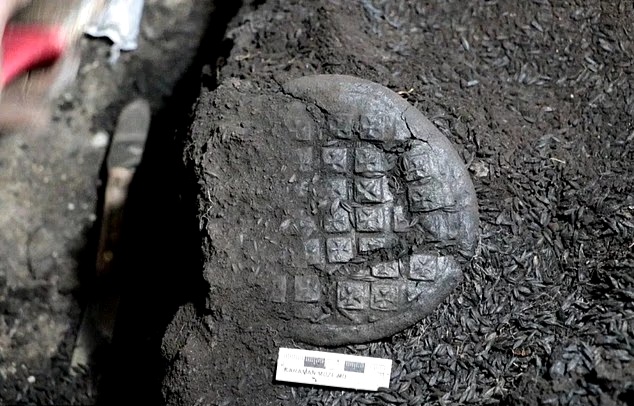
The other four display cross-shaped imprints, indicating their likely use in early Christian Eucharistic or communion rituals.
1,300-Year-Old Eucharistic Bread Loaves Unearthed in Southern Turkey

Topraktepe, historically known as the “City of Peace,” served as an important bishopric during the Roman and Byzantine eras. Researchers believe the loaves were used by a rural Christian congregation that depended heavily on its agricultural harvests.

“These 1,300-year-old breads offer a rare and tangible glimpse into early Byzantine piety, showing how spiritual devotion was embedded in daily life through something as essential as bread,” one of the archaeologists explained. pornography hannahgoldy

The loaves survived due to a sudden fire that carbonized them, preserving their structure and intricate designs. Authorities described the find as “among the best-preserved examples in Anatolia,” highlighting its cultural and religious significance.

Material remains at Topraktepe already included necropolises, rock-cut tombs, and fortifications, but few artifacts have so vividly reflected daily expressions of faith. Officials also noted that the rural nature of these loaves contrasts with practices in urban Constantinople, emphasizing the agricultural ties of local worship.

Archaeologists plan to conduct chemical and botanical studies to identify the grains and leavening agents used and to determine whether the bread served as prosphora or antidoron. They also intend to search for a nearby chapel where the bread may have been stored.

“The preservation of Eucharistic bread from this period is extremely rare,” the research team noted. “These loaves provide a unique window into the religious practices of early Byzantine Christians.”

Total
0
Shares
Leave a Reply

Your email address will not be published. Required fields are marked *

Related Posts