




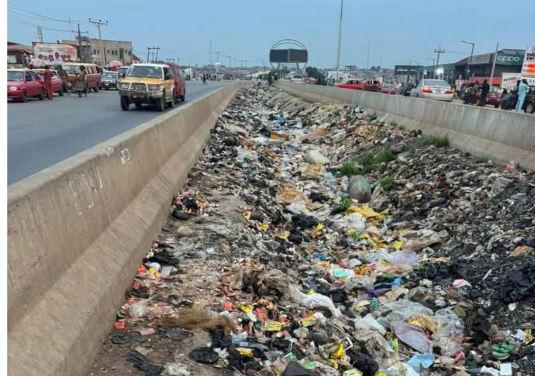
In Ondo, Oyo, Ekiti, and Ogun states, residents are grappling with mounting piles of garbage and persistent open defecation. In Ondo State, particularly in the capital of Akure, major streets are burdened by refuse heaps that block drains and create health risks. While the state government mandates monthly environmental sanitation, the system struggles to manage daily waste output, leading many to rely on unapproved dumping methods.
Ekiti State faces similar issues, with three massive dumpsites occupying over 23 hectares each. Although officials assert that these sites are managed to prevent health hazards, nearby residents express concern over the constant, foul odors affecting their families. Meanwhile, in Oyo State, Ibadan’s rapid population growth has outpaced existing waste collection infrastructure. Despite government initiatives to involve private collectors and legal enforcement against offenders, refuse continues to pile up in markets and residential areas, raising alarms about potential disease outbreaks.
Ogun State is simultaneously battling open defecation and illegal dumping. The government has launched a ‘One House, One Toilet’ campaign and is constructing public sanitation facilities to address the lack of infrastructure. Furthermore, authorities have intensified arrests and prosecutions to deter illegal disposal. Environmental experts across all four states agree that resolving these issues requires a combination of improved infrastructure, stronger enforcement, and a fundamental shift in public behavior regarding waste management and hygiene.