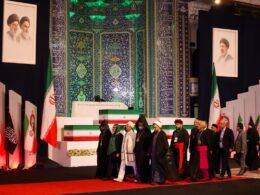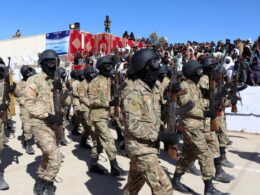




Tensions between the United States and Iran have flared again, leading to a series of American airstrikes following Iran’s re-establishment of a naval blockade. This escalation marks an end to the brief period of calm that followed a memorandum of understanding signed less than a month ago intended to cease hostilities. In response to the renewed fighting, Iranian Revolutionary Guards claimed they directed attacks at the US Fifth Fleet stationed in Bahrain, while Jordanian officials reported intercepting three missiles fired from Iran. Additionally, reports from Erbil, Iraq, indicated multiple explosions near the American consulate.
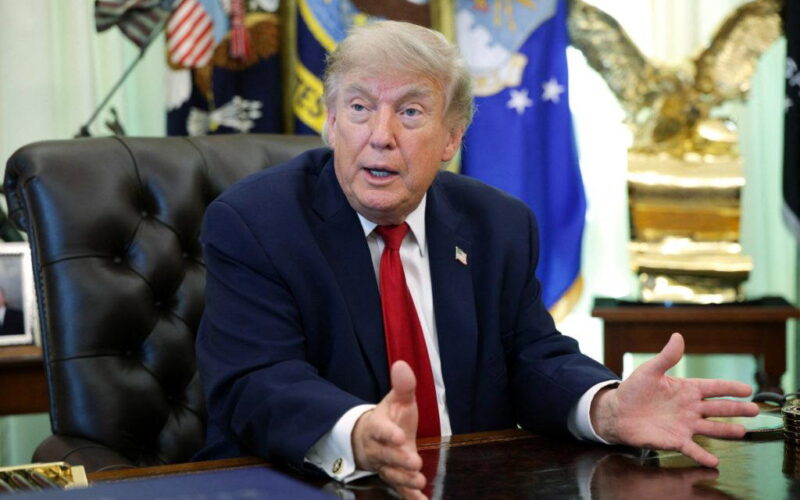
President Donald Trump warned that further military action against Iranian infrastructure, such as power plants and bridges, could follow next week if diplomacy fails to restart. Although talks are technically ongoing, Iranian negotiator Mohammad Bagher Ghalibaf suggested that the previous agreement is effectively void if its terms are not upheld. The conflict centers on the Strait of Hormuz, a vital maritime energy artery. Iran has blockaded the channel to gain leverage, leading the US to enforce its own blockade of Iranian ports in retaliation.
CENTCOM confirmed that the recent strikes aim to dismantle Iranian capabilities that have threatened commercial shipping. Areas impacted by the US aerial campaign include Bandar Abbas, Qeshm, and the nuclear facility at Bushehr. Casualties have been reported on both sides, with Iran noting 30 fatalities among its population and seven within its military. Meanwhile, Israeli Prime Minister Benjamin Netanyahu issued a warning to Tehran, cautioning against any aggression directed toward Israel. Civilians throughout the region, from Iran to Kuwait, expressed deepening anxiety and uncertainty as the war enters this volatile new phase.