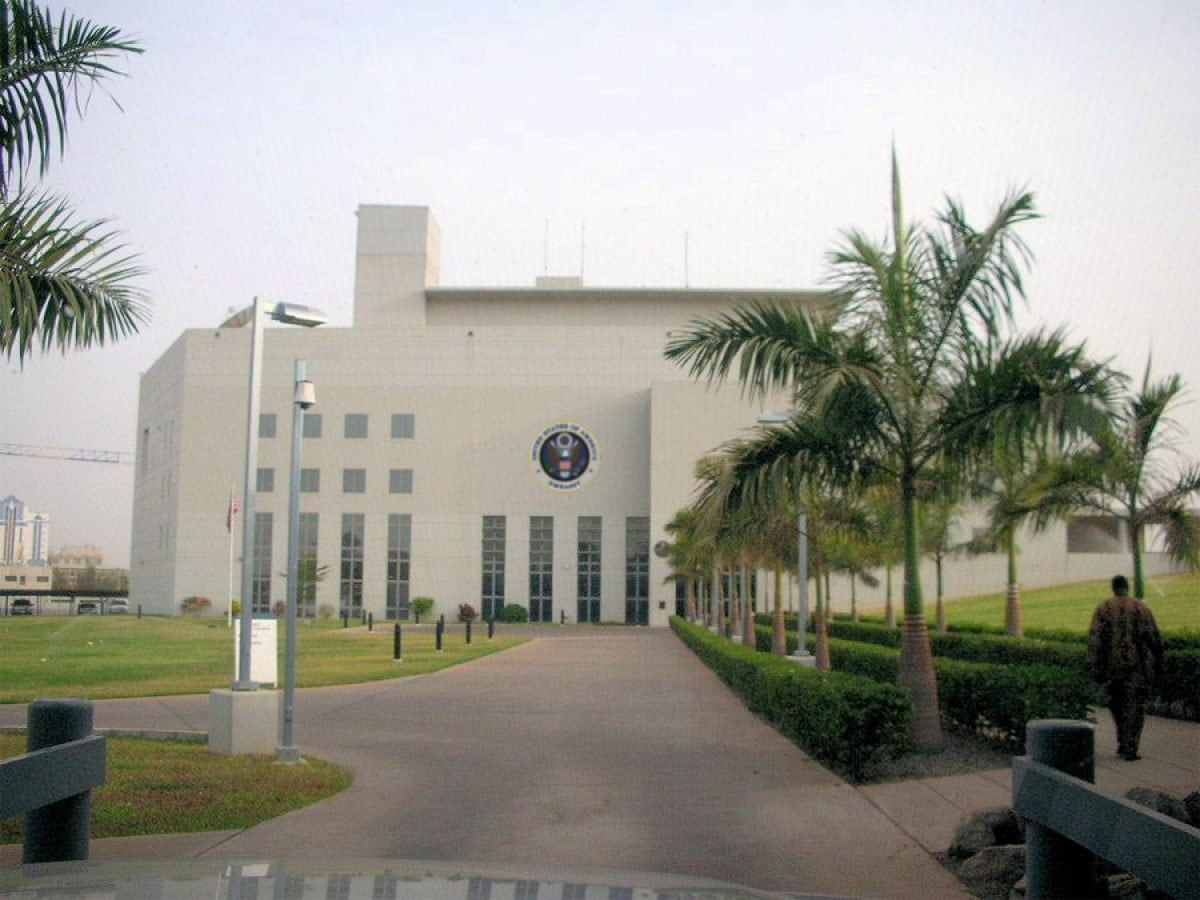
The U.S. Department of State has officially authorized the departure of non-emergency government employees and their families from the U.S. Embassy in Abuja, citing a worsening security environment in Nigeria.
In an updated travel advisory issued on Wednesday, April 8, 2026, the department raised alarms over escalating risks related to terrorism, kidnapping, and civil unrest.
While Nigeria remains under a “Level 3: Reconsider Travel” status overall, the State Department has expanded its list of high-risk areas.
Five additional states—Plateau, Jigawa, Kwara, Niger, and Taraba—have been added to the “Level 4: Do Not Travel” category. This brings the total number of states where travel is strictly discouraged to 23.
Key Risk Factors
The advisory highlights several critical security threats facing Americans and other foreigners in the country:
-
Widespread Violence: In Northern and Central Nigeria, the risk of terrorist attacks, community clashes, and roadside banditry remains high.
-
Southern Instability: States in the South-East and Niger Delta are characterized by widespread crime, including carjacking and armed gang activity.
-
Targeting of Americans: The U.S. government warned that its citizens are often perceived as wealthy targets for kidnapping-for-ransom schemes.
-
Inconsistent Healthcare: Medical services in many regions do not meet international standards, and facilities may require immediate cash payments for treatment.
Despite the authorized departure of non-essential staff, the U.S. Embassy in Abuja and the Consulate General in Lagos currently remain open for essential services.
However, the State Department urged all U.S. citizens in Nigeria to enroll in the Smart Traveler Enrollment Program (STEP) for urgent security updates and cautioned travelers to maintain a low profile, avoid large crowds, and establish personal safety protocols.