Official data indicates the UK economy expanded by 0.4% between April and June, supported by warm weather and various sporting events. While this performance aligns with market expectations, it marks a deceleration from the 0.6% growth recorded in the opening three months of the year.
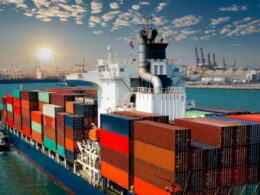
The Office for National Statistics (ONS) characterized the growth as relatively stable, noting significant contributions from the services sector and manufacturing. Industries such as pharmaceutical production, advertising, and computer programming performed well, although these gains were partially offset by declines in the sewerage and power generation sectors.
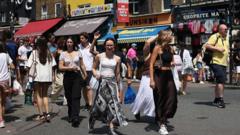
June saw a monthly growth rate of 0.3%, fueled by favorable weather and increased patronage at hospitality venues screening the men’s football World Cup. However, the overall quarterly slowdown is attributed to political volatility surrounding the departure of Sir Keir Starmer and the ongoing consequences of the war in Iran.
Chancellor John Healey acknowledged the financial strain the Middle East conflict is placing on households and businesses, stating that the government is focused on improving national resilience. In contrast, Shadow Chancellor Sir Mel Stride criticized the current administration, arguing that government fiscal policies have weakened the economy and exacerbated the cost-of-living crisis.
Economic experts remain cautious about the future. Fergus Jimenez-England from the National Institute of Economic and Social Research noted that while the economy has performed better than initially expected, growth is likely to remain sluggish. Similarly, ICAEW chief economist Suren Thiru warned that rising inflation and unemployment could complicate the government’s upcoming budget preparations.