Tensions between Washington and Tehran have escalated as Iran reports three days of retaliatory strikes. Both nations are accusing each other of breaching a tenuous ceasefire, a development that threatens ongoing peace negotiations intended to halt the conflict that began in February. The instability, which has disrupted shipping in the Strait of Hormuz and affected global energy markets, highlights the difficulty of a peace process mediated by Pakistan.
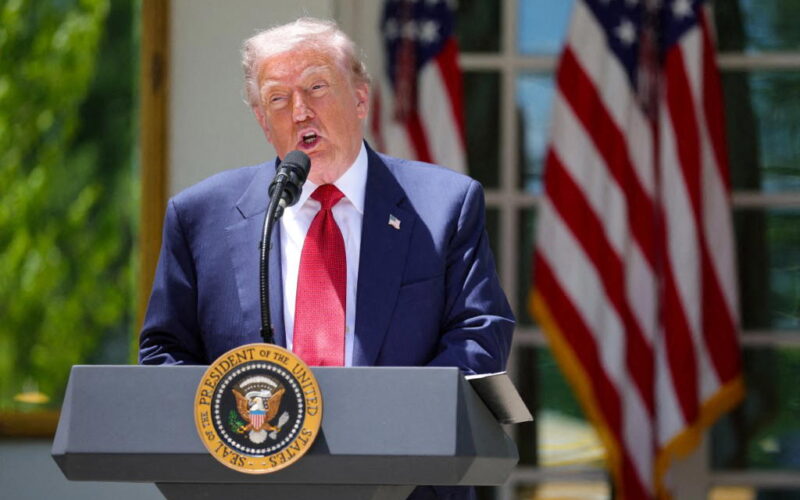
Iran’s Revolutionary Guards claim to have struck US-linked facilities in Kuwait and Bahrain, resulting in the destruction of eight military sites. In response, President Donald Trump issued a stern warning on social media, declaring that Iran would cease to exist if the United States feels compelled to fully re-engage in the conflict. Trump’s comments followed American strikes on Iranian drone storage and radar facilities, which the US military stated were direct responses to attacks on commercial tankers.
While the United States and Iran previously signed a memorandum of understanding to avoid military operations, the agreement is effectively fraying. Simultaneously, Israel has launched strikes in Lebanon after Hezbollah leader Naim Qassem rejected a separate US-backed peace agreement. Although Israeli Prime Minister Benjamin Netanyahu praised the deal as a success against Iranian influence, local opposition and the refusal of Hezbollah to comply suggest that regional stability remains elusive.