



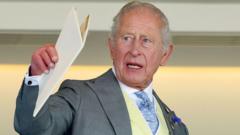
King Charles has set a precedent by disclosing a 12.9 million pound tax payment, an event coinciding with the release of the Royal Household’s yearly financial summary. While the monarchy frames this as an act of transparency, the nature of these payments remains unconventional.
By law, the King is exempt from income, capital gains, and inheritance taxes. Instead, he follows a voluntary agreement established in 1993 known as the Memorandum of Understanding. This document was recently updated in 2023 following the transition from Queen Elizabeth II. Critics, such as Dan Neidle of Tax Policy Associates, argue that voluntary contributions do not meet the legal definition of tax.
Details regarding the calculation of the 12.9 million pound figure are sparse. Although the King pays taxes on specific private income and capital gains, the report fails to provide a breakdown of these amounts. Furthermore, the monarch can offset expenses related to official duties against his Privy Purse income, which is a private estate fund. This effectively allows the King to treat royal business as tax-deductible expenses, a system distinct from that of an average taxpayer. While the Palace maintains that these disclosures foster public understanding, experts like Shaun Moore note that the lack of itemized data limits the overall transparency of the process.