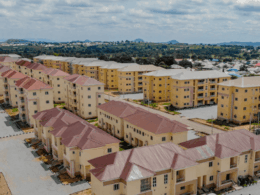





Effective facilities management is crucial for prolonging the functional life and structural integrity of all types of real estate, including residential and commercial buildings. Since real estate often represents a significant personal or corporate investment, proactive maintenance prevents inevitable decay and helps maintain the asset’s original market value. When neglected, buildings naturally deteriorate, leading to long-term financial loss.
Recognizing the decline of public infrastructure, former Nigerian President Muhammadu Buhari introduced Executive Order 11 in 2022. This legislation mandated that government departments and agencies establish dedicated maintenance units to ensure the longevity of national assets. This policy shift underscores the vital connection between robust facility management and the preservation of economic value.
Facility management encompasses a broad range of professional activities designed to optimize the working environment, improve occupant productivity, and ensure the efficiency of support services. By shifting the focus toward preventive maintenance rather than reactive repairs, property owners can reduce replacement costs, increase occupancy rates, and secure a better return on investment. Ultimately, treating maintenance as a core component of asset management not only protects private property but also contributes significantly to national economic stability. It is essential that professionals, such as Estate Surveyors and Valuers, receive comprehensive training in global maintenance standards to ensure that Nigeria’s public and private infrastructure remains sustainable and efficient.