



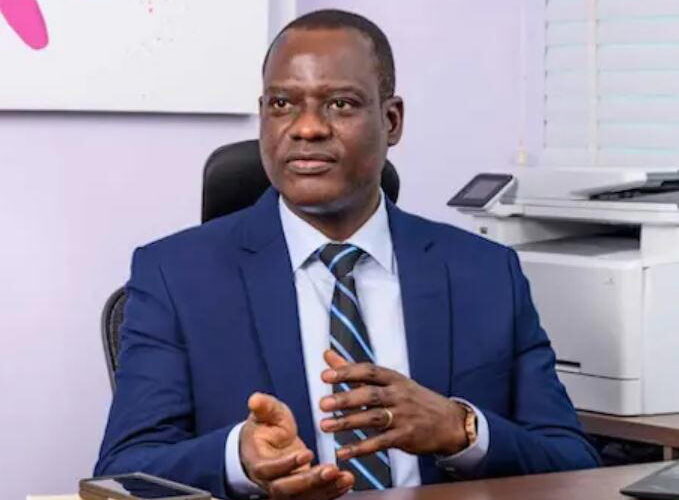
Taiwo Oyedele, Chairman of the Presidential Committee on Fiscal Policy and Tax Reforms, has clarified the allocation of funds recovered from ending fuel and foreign exchange subsidies. Speaking at the 7th Africa Emerging Markets Forum in Abuja, Oyedele stated that these resources are being directed toward essential government commitments, including debt servicing, the new minimum wage, and student loans.
Addressing transparency concerns, Oyedele promised a forthcoming public report detailing the exact expenditure. He noted that the subsidies previously accounted for approximately five per cent of the national GDP. While the reforms were primarily aimed at reducing corruption and market distortions, the resulting savings have become crucial for managing the economy.
The Minister explained that significant portions of the funds were used to settle Ways and Means obligations and cover higher interest rates on government debt, which have climbed from eight per cent to 24 per cent. Furthermore, the federal wage bill has nearly doubled following the minimum wage increase from N30,000 to N70,000. Support for the Nigerian Education Loan Fund (NELFUND) also draws from these savings, providing tuition assistance and stipends to over 1.5 million students.
Regarding ongoing borrowing, Oyedele argued that exceeding revenue targets does not negate the necessity of credit, as government expenditure often exceeds total income. He emphasized that borrowing is acceptable if the capital is deployed toward productive investments that yield greater value than the cost of the debt.