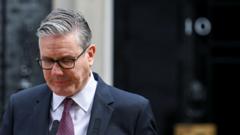
Sir Keir Starmer has declared his departure from the role of Labour leader, marking the conclusion of his administration at 10 Downing Street. He intends to remain in office as the UK Prime Minister until a replacement is chosen. Although an official schedule remains pending, Starmer has requested that the National Executive Committee open leadership nominations on 9 July and conclude them by 16 July.
The internal party regulations require contenders to secure 81 nominations from Labour MPs, which effectively restricts the field to four candidates. Additionally, hopefuls must gain backing from at least 32 local branches or three affiliated groups, such as trade unions. Should multiple candidates qualify, the process will transition to a vote involving party members and union supporters, likely featuring televised debates throughout the summer. Starmer aims to have his successor identified by the time Parliament resumes on 1 September.
The necessity of a full ballot remains uncertain. Andy Burnham, the outgoing Greater Manchester mayor, has officially launched his candidacy following his recent election as the MP for Makerfield. Conversely, former health secretary Wes Streeting has declined to run, instead endorsing Burnham. While other figures like Angela Rayner have yet to announce their intentions, Burnham would secure the leadership automatically if no other candidates meet the required nomination threshold. This transition follows Starmer’s exit, which comes less than two years after his significant victory in the 2024 general election.