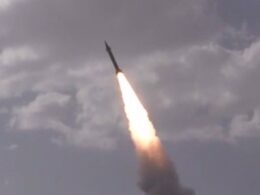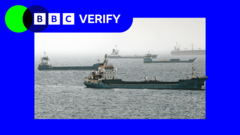
Maritime activity within the Strait of Hormuz has plummeted after renewed military clashes between the United States and Iran. This surge in regional tension follows an attack on three merchant vessels earlier this week. Intelligence firm Kpler reported that only 23 commercial ships transited the critical waterway on Wednesday, a significant decline from the 47 vessels recorded just seven days prior.
The three vessels targeted recently were navigating a route through Omani waters, a corridor endorsed by the US. Conversely, Iran maintains that the only secure passage for commercial traffic lies within its own territorial lanes. Historically, the strait served as an open conduit for over 20 percent of global oil and gas supplies, along with various essential commodities, averaging 138 daily transits before the hostilities intensified.
Following an initial surge in traffic after a June 17 peace agreement, recent strikes have reversed these gains. President Donald Trump has since declared the memorandum of understanding void, though he indicated that diplomatic channels remain open. Analysts suggest that the cycle of provocation and retaliation continues to deter safe passage, as both nations accuse the other of violating the fragile interim truce. With the Omani-route traffic now effectively stalled, the future of safe navigation through this vital maritime chokepoint remains highly uncertain.