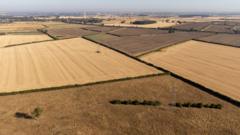
Over half of England is officially facing drought conditions as an extended period of hot, dry weather heavily impacts national water reserves. This latest declaration marks the third such event in five years, following previous instances in 2022 and 2025. Although drought is generally characterized by sustained lack of precipitation affecting the environment and daily life, the frequency of these events is concerning.
Visual evidence of the crisis is widespread. Rivers such as the Thames are seeing historically low levels, with exposed riverbeds visible in London. In Shropshire, the River Redlake has dried up at its ford, while the River Wye in Hereford remains parched. Public spaces, including Greenwich Park, Primrose Hill, and Hackney Marshes, have turned yellow, and reservoir levels at Walthamstow Wetlands and the Peak District’s Howden Reservoir have significantly dropped.
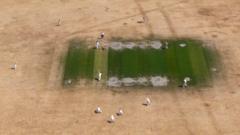
The impact is also visible in recreation. Sports clubs like Woldingham Golf Club are contending with withered greens, and cricket matches in Berkshire have been played on shrinking patches of grass. Scientists note that while droughts occur naturally, the effects of climate change—specifically rising summer temperatures—are accelerating soil moisture loss, leading to more frequent and intense occurrences.