




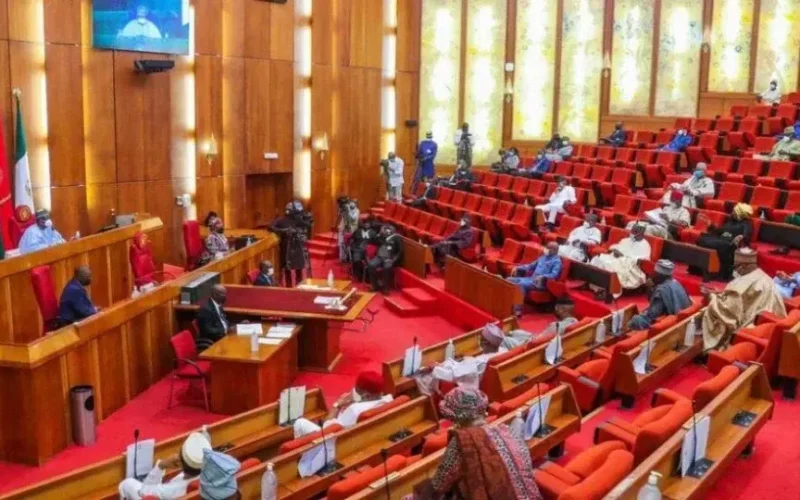
The Nigerian Senate has approved a constitutional amendment to transition the country toward a federalized policing model. This legislative shift replaces the existing Nigeria Police Force with a dual system consisting of Federal Police Services and individual State Police Services. Senate President Godswill Akpabio oversaw the process, which aims to decentralize security to better combat local criminal threats.
To address concerns that state governors might weaponize local forces, the legislation incorporates rigorous constitutional protections. Governors are permitted to issue directives only regarding public order and safety. They are strictly barred from ordering police to target specific individuals, political parties, or groups. Any directive deemed partisan or illegal remains subject to judicial review.
Furthermore, the Federal Government retains the authority to intervene in state operations during instances of administrative failure, threats to national security, or the violation of fundamental rights. Such interventions are required to be proportionate and temporary. State police units must meet national minimum standards established by the National Assembly before becoming operational.
Under the new framework, the President will appoint the Inspector-General of Police with Senate confirmation. State Police Commissioners will be appointed by governors based on recommendations from the National Police Council and must be confirmed by their respective State Houses of Assembly. Removal of these chiefs now requires adherence to due process and legislative approval.
The bill, championed by Senate Leader Opeyemi Bamidele, now heads to the House of Representatives. Following federal legislative approval, it must be ratified by at least 24 of the 36 State Houses of Assembly to be formally enshrined in the Constitution.