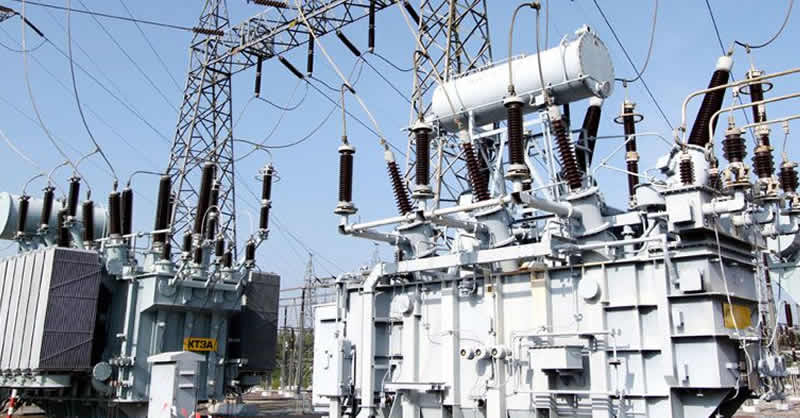
The Nigerian government has officially stated that there are no immediate plans to eliminate electricity subsidies or enact a tariff hike, following rumors of a potential phase-out starting in 2027. This clarification emerged after comments from Minister of Power, Joseph Tegbe, suggested reforms to address sectoral distortions. The administration has since distanced itself from these remarks, emphasizing that its primary focus remains on improving power generation, enhancing transmission, and stabilizing the national grid.
This uncertainty has fueled criticism from various analysts. Professor Kamilu Sani Fagge of the University of Kano suggested that the government’s retreat may be a political maneuver. He argued that officials are wary of public backlash given the current economic strain, though he suspects the proposal may resurface later. Meanwhile, electrical engineer Jaafar Sulaiman cautioned that simply removing subsidies will not solve the sector’s operational failures. He noted that higher costs for consumers rarely correlate with better service if fundamental infrastructure issues remain unaddressed.
Small business owners are particularly vocal about their frustrations. In Kano, traders like Sa’idu Bala Mainkanti reported receiving power only during late-night hours when businesses are closed, forcing many to rely on costly and dangerous alternatives. Similarly, local business operator Fatima Abdul expressed deep disappointment, noting that high monthly bills persist despite the lack of reliable supply. The discourse continues to draw attention to past advice from the International Monetary Fund, which urged Nigeria to scrap subsidies to improve fiscal health, leaving the government to navigate the difficult balance between economic reform and the needs of its citizens.