




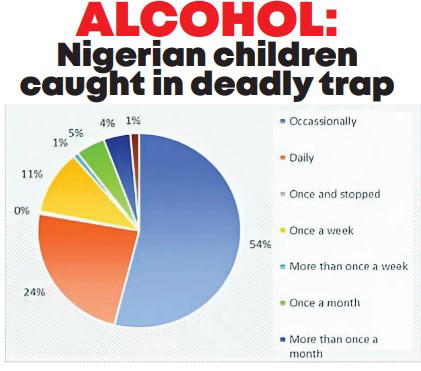
In Nigeria, the issue of underage alcohol consumption has reached a disturbing level. Children as young as nine are consuming alcohol regularly, often introduced to the habit by trusted adults or through common daily errands. This normalization of drinking within families and social circles places significant strain on the physical and mental development of Nigerian youth.
Research from a 2021 study involving NAFDAC and the Distillers and Blenders Association of Nigeria reveals that over half of minors and underage individuals obtain alcohol on their own. The prevalence of cheap, portable packaging like sachets and small bottles makes these products easily accessible in markets, kiosks, and motor parks. Experts warn that this early exposure interferes with brain development, causing lasting issues with memory, judgment, and academic performance.
Dr. Veronica Nyamali, President of the Association of Psychiatrists of Nigeria, notes that the average age for starting alcohol consumption is dropping rapidly. She highlights that beyond physical health risks like liver damage, underage drinking fosters behavioral problems, depression, and a higher likelihood of dropping out of school. NAFDAC Director-General, Prof. Mojisola Adeyeye, argues that aggressive marketing of small-pack alcohol is a primary driver of this crisis and advocates for a ban on containers smaller than 200ml to curb easy access.
Ultimately, addressing this crisis requires a collective shift in societal practices. It demands that parents exercise greater vigilance regarding what they ask children to purchase, while also necessitating stricter enforcement of age-related sales laws. Protecting the future of Nigerian children requires moving beyond the cultural expectation of blind obedience to ensure youth are shielded from harmful substances.