




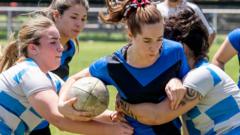
Former Welsh international rugby players are supporting groundbreaking research into how concussions affect women, as studies indicate female athletes experience head trauma differently than men. Women are not only more prone to concussions but also tend to endure longer recovery times. While symptoms in men often include amnesia, women frequently report prolonged headaches, mental fatigue, and focus issues.
Currently, global rugby concussion guidelines are largely modeled on the male version of the sport. Researchers at Cardiff University are aiming to create the first head impact assessment protocol tailored specifically for women. By tracking 30 players using specialized mouthguards, cognitive tests, and MRI scans, the team hopes to establish data-driven guidelines. Lead researcher Peter Theobald emphasized that applying male safety thresholds to women is inconsistent with current medical evidence, noting that the female brain and physical structure differ from the male.
Former Wales player Elinor Snowsill echoed this sentiment, arguing that women are not simply mini versions of men and deserve safety systems designed for their specific biology. She highlighted that brain health is irreplaceable, unlike muscle or bone injuries. Despite the importance of this study, researchers like PhD student Freya Butcher noted that only 6% of sports science research focuses exclusively on female athletes, a gap that former wing Caryl James described as disappointing and long overdue to be addressed.
The study utilizes smart mouthguards that measure the force and direction of impacts, helping players like Cleo Pallister-Turley become more aware of their head health. Former players like Alecs Donovan shared that during their careers, concussion awareness was significantly lacking, often leading to hidden injuries. While high-profile legal actions regarding neurological damage continue to affect the sport’s governing bodies, researchers remain optimistic that this study will empower women to make informed decisions about their well-being while continuing to enjoy the sport.