On Tuesday morning, March 24, 2026, the Israeli military reported that Iran launched several waves of missile strikes against major Israeli population centers.
Air raid sirens were activated throughout the country, including in Tel Aviv, where a residential high-rise suffered extensive structural damage.
While emergency teams worked to extract civilians from the wreckage, early reports indicated that most residents had successfully reached reinforced shelters, though some injuries were documented.
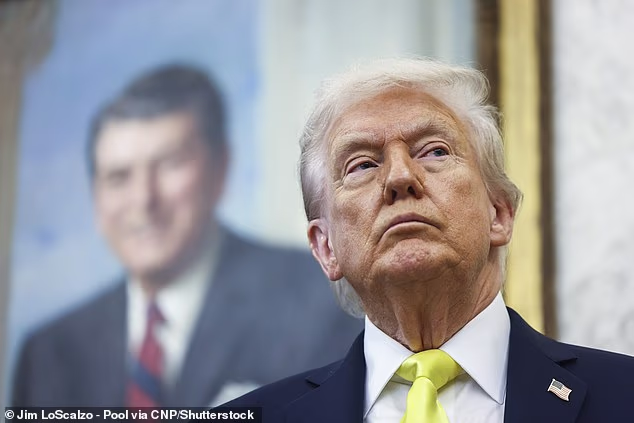
This military escalation follows a controversial announcement from U.S. President Donald Trump regarding a five-day suspension of planned American strikes on Iran’s energy grid. Trump claimed the pause was based on “productive” discussions with Iranian leadership aimed at de-escalating the regional crisis.
However, Iranian officials, including Parliament Speaker Mohammad Baqer Qalibaf, categorically denied that any such negotiations occurred. Qalibaf dismissed the U.S. claims as “fake news” intended to manipulate global oil prices and financial markets, while the Revolutionary Guard characterized the statements as a psychological tactic.
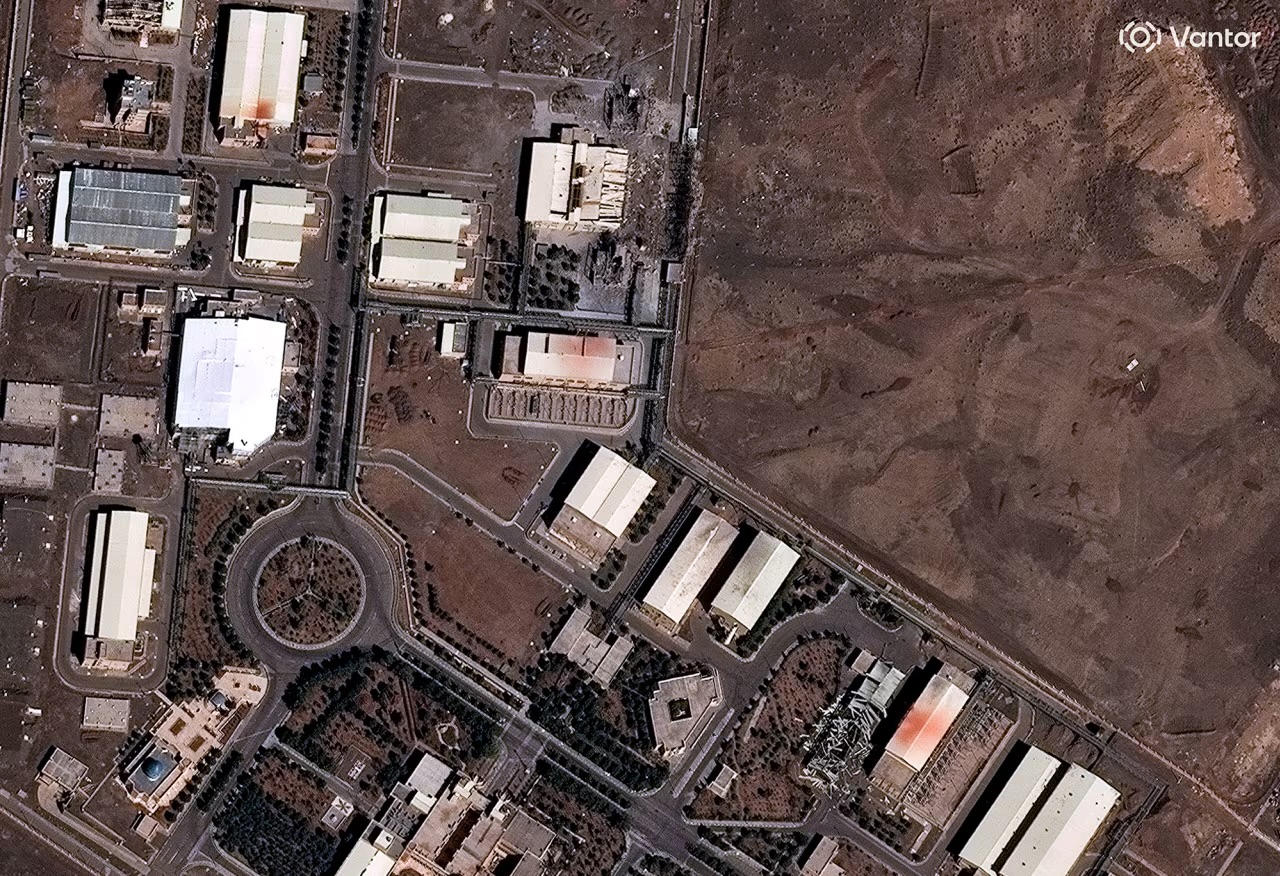
Simultaneous with the Iranian attack, Israel confirmed it had executed high-precision airstrikes in Tehran. These operations targeted the core infrastructure of the Islamic Revolutionary Guard Corps (IRGC), specifically hitting command centers and missile production facilities.
The broadening conflict continues to threaten the Strait of Hormuz, a vital artery for the world’s energy supply, fueling international anxiety over potential long-term disruptions to global oil and gas markets.