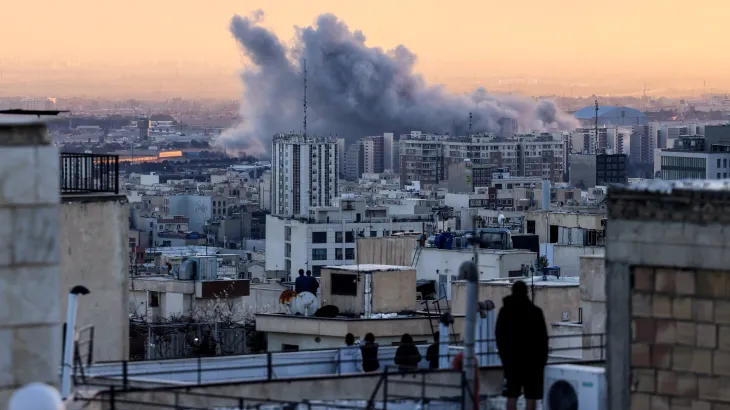
The Iranian economy is currently experiencing a profound crisis as the intersection of military conflict and international sanctions drives inflation to catastrophic levels.
Previously recorded at 47.5% in February, the cost of living has since spiraled, with the price of essential goods—including food and medicine—undergoing unprecedented hikes.
In one extreme instance, the cost of a single cancer treatment tablet reportedly surged from three million rials to 180 million rials, while basic food items have jumped by over 40% in just a matter of days.
This hyperinflationary environment has forced the Central Bank of Iran to issue higher-denomination currency, including a new ten-million rial banknote, to keep pace with the rial’s plummeting value.
The private sector is struggling to survive; businesses in Tehran are implementing massive price increases daily, and many have been forced to shut down entirely. This economic contraction has led to widespread unemployment and a mass exodus of migrant laborers, particularly in the construction sector, as opportunities within the country vanish.
Compounding the financial misery is a crippled infrastructure and a fractured banking system. Severe internet blackouts have decimated online commerce, while physical damage to steel and petrochemical plants threatens the nation’s long-term industrial output.
Economic experts, including former IMF officials, warn that the banking sector is on the brink of a systemic failure due to rising loan defaults and weak balance sheets. Any potential government bailout of these institutions would likely require printing more money, a move that observers fear will only accelerate the current inflationary spiral.