



Tehran stated that while negotiations with the United States have progressed, a formal agreement remains some time away. Foreign ministry spokesperson Esmail Baqai confirmed that a significant portion of discussed topics have been addressed; however, he rejected the notion that a signing is imminent. This stance contrasts with comments from US Secretary of State Marco Rubio, who suggested an agreement might be reached rapidly.
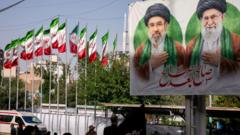
The proposed memorandum reportedly includes a 60-day ceasefire, the reopening of the Strait of Hormuz, and a framework for future nuclear discussions. US intelligence suggests communication difficulties with Supreme Leader Mojtaba Khamenei, who is reportedly in an undisclosed location following an injury, may be slowing the pace of talks. President Donald Trump has expressed optimism but noted he instructed negotiators not to rush.
Economic markets reacted to the reports, with oil prices dropping and stocks rising. Despite this, the deal faces internal criticism from Republican senators like Ted Cruz and Lindsey Graham, who view it as potentially lenient. Trump defended his approach, dismissing critics and insisting any final agreement would be robust. Experts like Lars Jensen of Vespucci Maritime caution that even with a deal, the global shipping industry would remain hesitant to alter operations immediately given the complex nature of supply chain disruptions caused by the conflict that began in February.