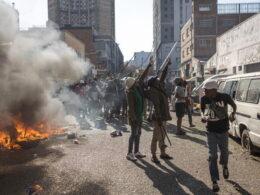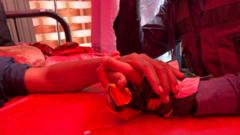
In Rawalakot, a city within Pakistan-administered Kashmir, a makeshift medical facility is struggling to manage the influx of protesters injured in ongoing clashes. Dr. Anwar, a physician working at the site, explained that his clinic can only provide rudimentary first aid. He noted that individuals suffering from severe trauma to vital organs require specialized medical intervention, which major hospitals are currently unable to accommodate due to the high volume of casualties. Since late July, dozens have died during confrontations between security personnel and the Joint Awami Action Committee (JAAC).
The protests stem from grievances regarding the cost of living, including electricity prices and food affordability. Demonstrators claim they are fighting for basic rights, while the regional government characterizes the JAAC as a foreign-funded, militant group attempting to disrupt upcoming elections. Families of those killed maintain that their loved ones were peaceful citizens advocating for justice rather than insurgents. One grieving parent, a retired soldier, stated that the escalation of force by paramilitary units is an unprecedented injustice in the region.
The local administration denies allegations of indiscriminate firing, asserting that security forces only engaged individuals who threatened public safety or obstructed the law. They have presented evidence of seized weaponry to support their claims that the movement is violent. Conversely, JAAC leadership claims that any violence attributed to them is the result of government infiltration designed to discredit their cause. As the region navigates a tense election period, internet connectivity remains restricted and road access is heavily monitored, deepening the uncertainty for residents trapped in the unrest.