



The International Monetary Fund (IMF) has raised alarms regarding discrepancies in Nigeria’s fiscal records. Official data failed to account for public spending amounting to two percent of the nation’s GDP, causing a significant gap between reported deficits and actual financial requirements.
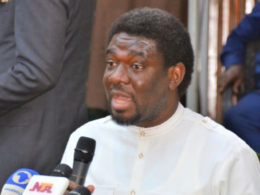
Christian Ebeke, the IMF’s Resident Representative for Nigeria, shared these findings during a meeting with business leaders in Lagos. He noted that certain capital projects were executed outside the formal budget, leaving them absent from official implementation reports. This omission masks the true scale of government investment and complicates economic oversight.
Ebeke warned that such gaps hinder the coordination of fiscal and monetary policies. When officials lack a complete view of financing needs, effective economic management becomes difficult. He also emphasized that off-budget spending undermines procurement standards, accountability, and institutional control.
The Nigerian government has started addressing these issues by updating budget laws to include the previously missing expenditures. While the IMF acknowledges recent macroeconomic reforms that have boosted investor confidence and stability, Ebeke noted that these efforts are incomplete. Updated reporting is still necessary. Furthermore, the IMF highlighted that the country remains susceptible to external shocks, necessitating rigorous fiscal discipline and full transparency in public financial reporting.