Nigerian power consumers have long struggled with unfair estimated billing, a practice that has damaged public trust and hindered economic progress. Recently, a social media user highlighted this frustration after receiving a ₦145,000 bill for a small apartment despite minimal power usage, sparking renewed calls for prepaid meters.
To combat this, President Bola Ahmed Tinubu launched the Presidential Metering Initiative (PMI) in 2023 to bridge the national metering gap. The plan involves deploying smart meters and transformer units to ensure billing accuracy. However, legal action from the Association of Meter Manufacturers of Nigeria (AMMON) previously stalled the procurement of over 1.55 million units, halting programs like the Distribution Sector Recovery Programme.
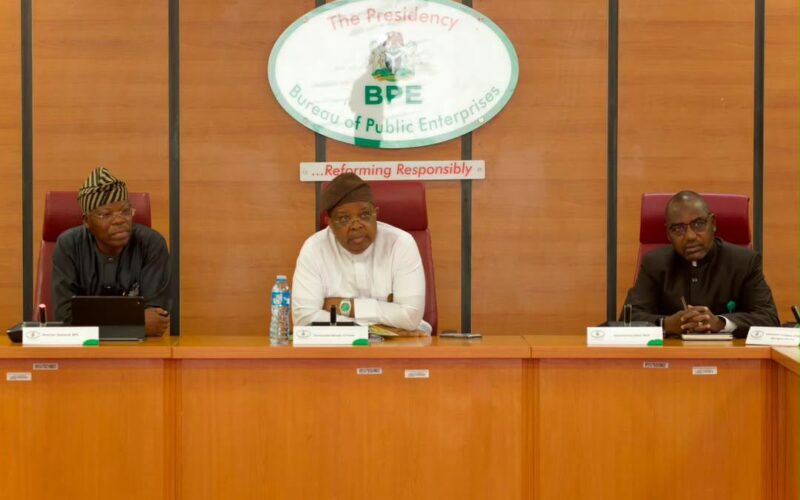
This deadlock has ended thanks to the intervention of Power Minister Joseph Olasunkanmi Tegbe. By mediating between the government and local manufacturers, Tegbe facilitated a settlement that allowed AMMON to drop its lawsuit in the Federal High Court. This resolution upholds the government’s local content policies while ensuring procurement standards are met.
The resumption of the metering rollout is a vital move toward industry accountability. By allowing customers to pay only for electricity actually used, smart meters foster fairness and help distribution companies improve revenue collection. Furthermore, this initiative supports the Rural Electrification Agency’s efforts, as reliable automated metering is essential for the sustainability of mini-grid and off-grid solar projects in underserved regions.
With legal barriers removed, the government is now positioned to accelerate its energy transformation agenda. This progress promises to shield consumers from arbitrary charges and provide small businesses with predictable operational costs, marking a significant step toward a more reliable power sector.