




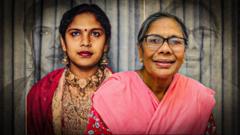
For the inaugural generation of South Asian immigrants in Britain, specialized television and radio broadcasts from the BBC acted as essential tools for adaptation. These programs provided not only entertainment but also vital information to help newcomers integrate into local communities, such as the textile hubs in West Yorkshire.
As early as the late 1960s, initiatives like the television series Look, Listen and Speak offered practical English language lessons, while shows such as Nai Zindagi Naya Jeevan became weekly staples for families. Immigrants like Nirmala Rani and Krishna Devi found that these broadcasts provided a rare sense of familiarity, offering music and language that eased the loneliness of relocating to a foreign country.
Over the decades, the focus of South Asian programming evolved. Pioneer Anita Bhalla worked to ensure these voices were integrated into mainstream media, rather than being confined to niche slots. By the 1990s and early 2000s, series like Goodness Gracious Me and platforms like the BBC Asian Network helped normalize British Asian culture, allowing younger generations to see their own experiences reflected on screen. Today, the digital age has transformed how young people like Krish Nangla engage with their heritage, using social media and mobile platforms to maintain a connection to their roots while navigating their identity in modern Britain.