




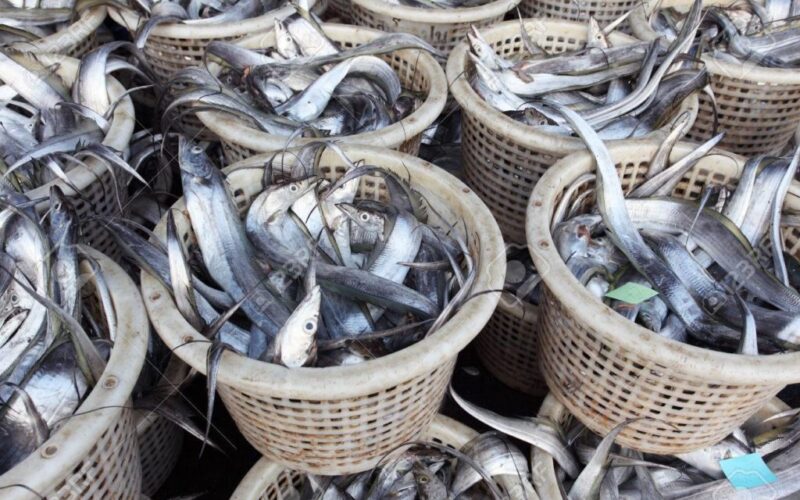
Struggling with high operational costs and limited access to refrigeration, some fish vendors are resorting to a dangerous tactic: applying industrial red dye to stale fish to make them appear freshly caught. By staining the gills of decaying fish, these sellers deceive consumers into paying premium prices for products that are often spoiled.
Dr. Hassan Abudullahi warns that these industrial chemicals, which may contain heavy metals and toxic compounds, pose severe health risks to the public. Potential consequences of consuming tainted fish include food poisoning, gastrointestinal distress, and long-term damage to the liver and kidneys. Caterers and consumers report finding red residue in water after washing fish, indicating that the vibrant color is a fraudulent mask for poor quality.
Market participants point to rising electricity tariffs and the high cost of ice as the root causes driving this illicit activity. Many vendors feel forced to choose between massive financial losses from discarding inventory or turning to these hazardous shortcuts. Experts and culinary professionals suggest that shoppers should look beyond gill color, advising consumers to check the firmness of the scales and the smell of the fish before purchasing. Meanwhile, some traders suggest that the government must address the underlying issue by providing better cold-storage infrastructure, such as solar-powered facilities, to support safe food handling.