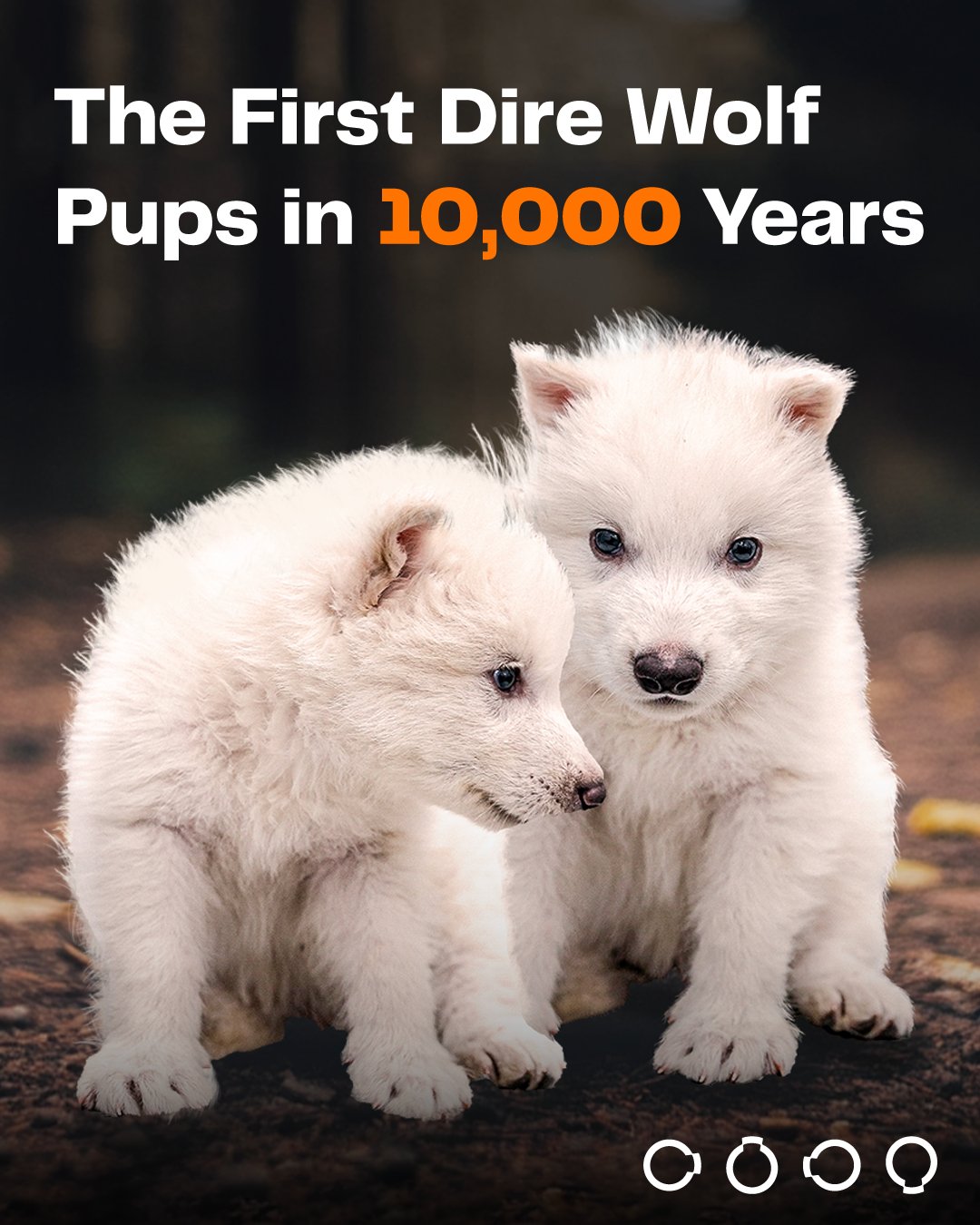
A species of wolf that went extinct around 12,500 years ago has been partially revived by scientists at Colossal Biosciences, a biotech firm based in Dallas.
The company announced the successful creation of three dire wolf pups using a combination of ancient DNA, cloning, and gene-editing technology.
The dire wolf (Aenocyon dirus), a formidable Ice Age predator larger than today’s gray wolf, once roamed across North America and gained renewed fame through its fictional portrayal in HBO’s Game of Thrones. According to Colossal, the pups share striking physical similarities with their extinct ancestors, including broader heads, thicker white fur, and more powerful jaws.
To achieve this groundbreaking result, researchers extracted ancient DNA from two fossils—a 13,000-year-old tooth and a 72,000-year-old skull. They reconstructed high-quality genomes and compared them to those of modern canids such as wolves, jackals, and foxes. This comparison enabled them to isolate and edit the specific genes responsible for dire wolf traits.
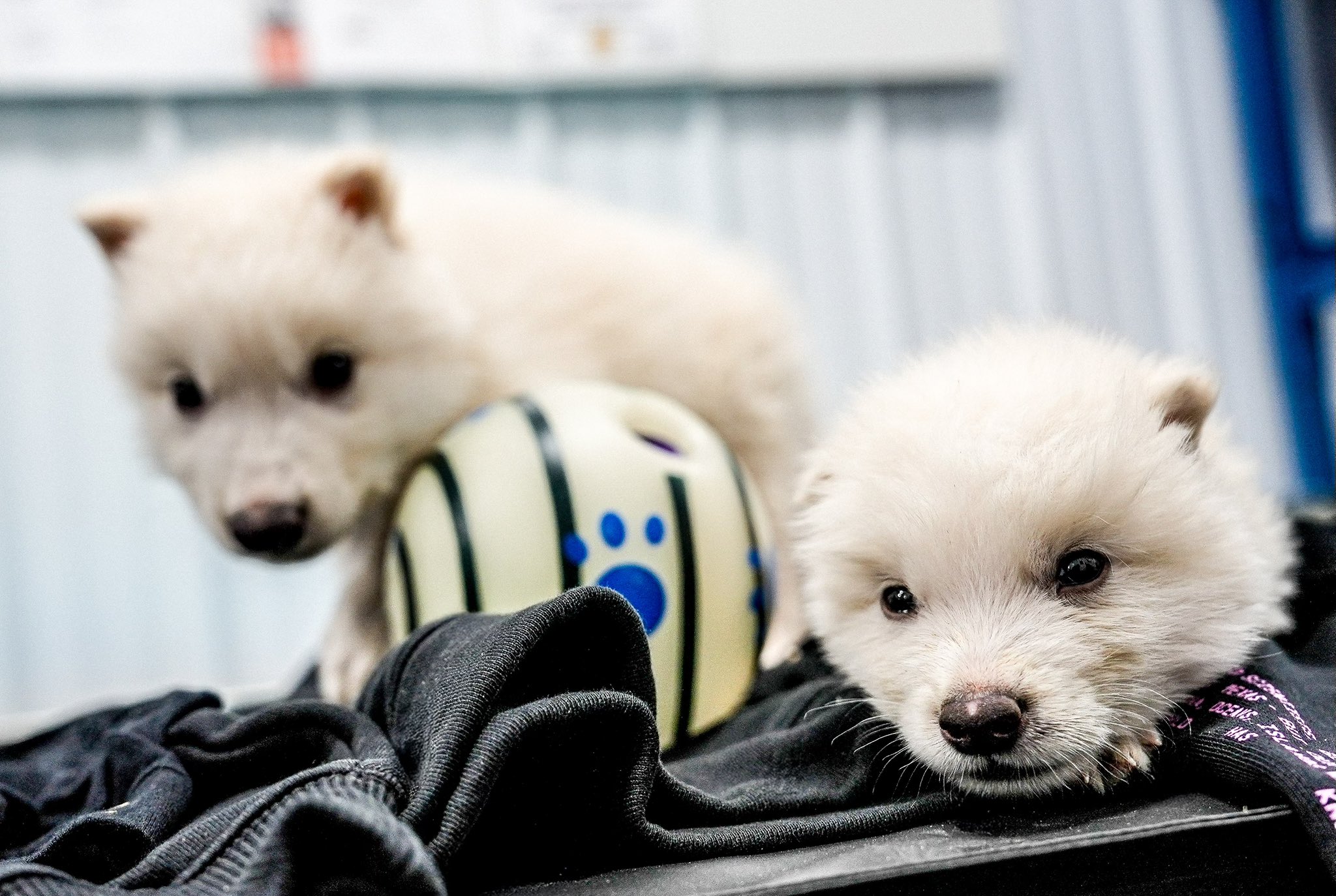
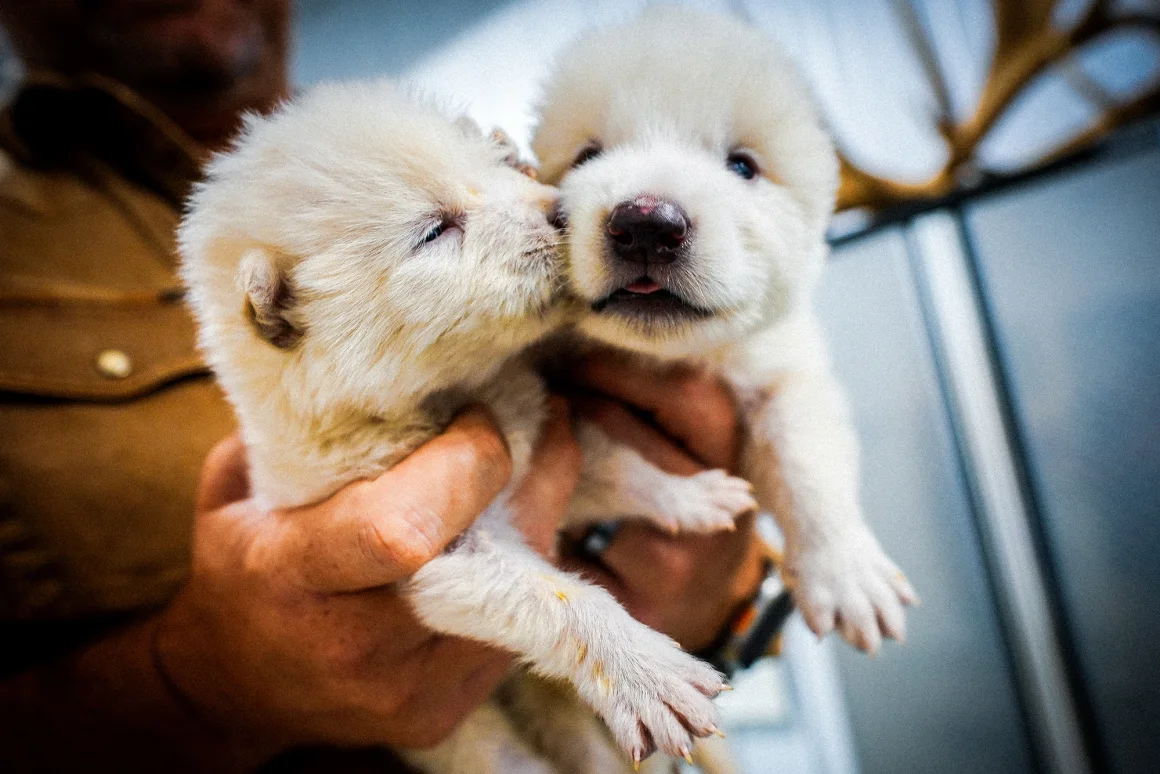
Using CRISPR gene-editing technology, scientists made 20 precise modifications across 14 genes in gray wolf cells to replicate dire wolf traits. These edited cells were then cloned and implanted into donor eggs, which were subsequently carried by domestic dog surrogates. The process resulted in the birth of two male pups on October 1, 2024, followed by a female pup on January 30, 2025.
The three dire wolf pups now live in a secure, undisclosed 2,000-acre facility equipped with drones, surveillance cameras, and 10-foot-tall zoo-grade fencing. The site is certified by the American Humane Society and registered with the U.S. Department of Agriculture, ensuring adherence to strict animal welfare and safety standards.
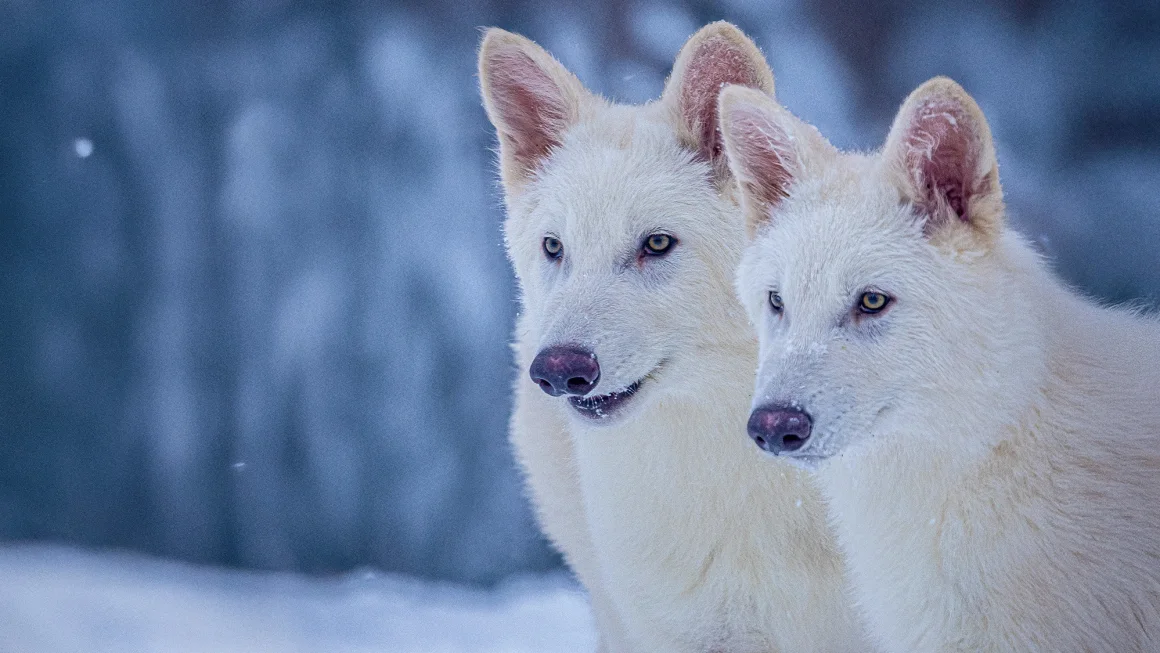
Colossal Biosciences highlights that although the genomes of the recreated animals are 99.9% gray wolf, they carry and express key dire wolf traits. This raises profound philosophical and scientific questions about what truly defines a species.
Evolutionary genomics expert Love Dalén, who advised on the project, explained that the animals represent a resurrection of the dire wolf phenotype—their observable characteristics—rather than a full genetic revival.
Colossal’s work extends beyond bringing back extinct species like the dire wolf, woolly mammoth, dodo, and Tasmanian tiger. The company is also leveraging its advanced genetic tools to aid conservation efforts for endangered species.
Notably, it has successfully produced two litters of cloned red wolves—one of the most critically endangered canids—using a less invasive cloning method refined during the dire wolf project.