




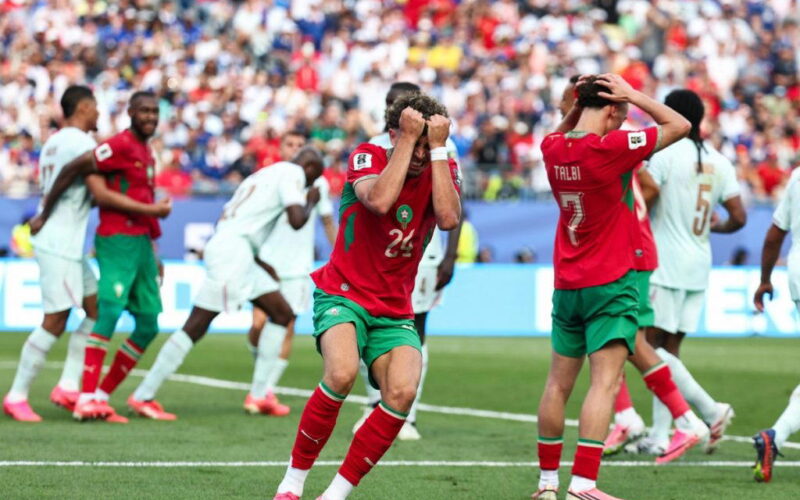
The 2026 FIFA World Cup served as a proving ground for the expanded 48-team format. While critics initially worried that increasing the field would dilute the quality of play, most participants, including those from Africa, proved they belonged on the world stage. Of the ten African teams, nine reached the Round of 32, with only Algeria failing to secure a point. Notably, debutants Cape Verde earned global admiration for their impressive style of play.
Despite this promising start, African nations struggled during the knockout phases. A recurring pattern emerged where teams dominated early leads only to lose focus, become complacent, and ultimately surrender the match in the final minutes. This trend affected Ivory Coast, Senegal, DR Congo, and Egypt. Technical errors, defensive lapses, and questionable tactical decisions by coaches were identified as primary reasons for these exits.
Ultimately, European dominance prevailed, with six European nations filling the quarter-final slots. Morocco was the final African representative standing, but they were eliminated following a 2-0 loss to France. Despite the disappointment, the tournament demonstrated significant growth for African football, as teams like Egypt and Cape Verde challenged elite opponents like Argentina.