




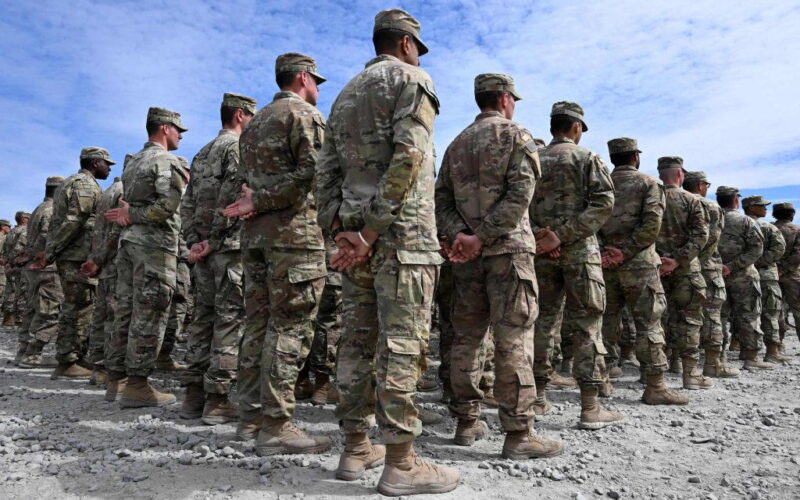
Although the majority of nations utilize standing militaries, several sovereign states operate effectively without an army, navy, or air force. These countries secure their borders and internal safety through localized law enforcement, coast guards, or by establishing defense pacts with larger powers.
Costa Rica removed its military from the constitution in 1948, shifting focus toward diplomacy and public police forces. Similarly, Panama dissolved its military following the 1990 U.S. intervention, relying now on border and maritime security units. Iceland, while a NATO member, has no formal military, depending instead on the alliance for protection and its own coast guard for search-and-rescue tasks.
Several European microstates also lack traditional defense forces. Liechtenstein disbanded its army in 1868, and Monaco delegates its defense needs to France while maintaining ceremonial units. Andorra is shielded by agreements with France and Spain, while San Marino functions through volunteer corps and an Italian defense treaty. Vatican City relies on the Swiss Guard for internal security and Italian cooperation for external protection.
In the Pacific, both Nauru and Tuvalu operate without military branches, maintaining internal law and order through police forces while receiving defense support from Australia and regional partners.