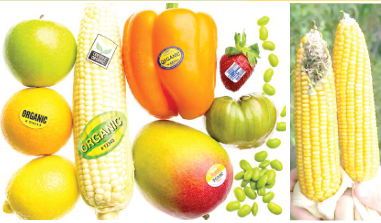
Tension persists within Nigeria’s agricultural sector regarding the introduction of Genetically Modified (GM) crops and farm inputs. Diverse perspectives have emerged, with some stakeholders warning of significant threats to food security, while others explore potential benefits. Biotechnology involves altering the DNA of plants, animals, or microorganisms to enhance traits such as pest resistance, herbicide tolerance, and climate resilience. Common GM crops include maize, soybeans, cotton, and tomatoes.
Despite significant opposition from civil society, farmers, and consumers, the Nigerian government has approved various GM varieties. However, reports suggest that unapproved strains have also infiltrated local markets and farms. Critics argue that many Nigerians remain unaware they are consuming GM products due to inadequate labeling and a lack of public awareness. Arc Nnimmo Bassey, Executive Director of the Health of Mother Earth Foundation (HOMEF), contends that GM crops have caused soil damage and failed to deliver promised yield improvements. He specifically cited the failure of a cotton variety introduced in 2016, which was subsequently banned in other West African nations.
Stakeholders also highlight serious deficiencies in regulatory oversight, risk assessment, and long-term monitoring. Dr. Perpetua Okafor of the All Farmers Association of Nigeria (AFAN) advocates for transparency, insisting that seeds must be clearly labeled so farmers can make informed decisions. While she does not reject scientific advancement, she emphasizes that technology should not be forced upon producers.
Dr. Michael Terungwa David, founder of the Global Initiative for Food Security and Ecosystem Preservation (GIFSEP), argues that Nigeria lacks the necessary infrastructure and regulatory safeguards to manage the widespread adoption of GMOs. He maintains that food insecurity in Nigeria stems from systemic issues like poor infrastructure, insecurity, and post-harvest losses, rather than low crop yields. Consequently, he warns that relying on biotechnology as a primary solution may detract from critical structural reforms required to build a sustainable food system.